Metal Alloys
Stainless steel, aluminum and titanium suit different loads, temperatures and environments. Specify the alloy, heat treatment and critical interfaces so printing, machining and inspection can be reviewed together before quotation.
Functional Metal & Plastic Parts. Conformal Cooling Mold Inserts.
Get functional metal and plastic parts for prototypes and low-volume production, or conformal cooling inserts for hard-to-cool mold regions. KTM coordinates printing through partner factories, with mold engineering, CNC finishing and in-house CMM capability connecting the printed geometry to your assembly or tooling requirements.
Send your model, quantity and key requirements. Quote timing depends on geometry, project scope and the completeness of your files. Request an NDA before sharing confidential files.
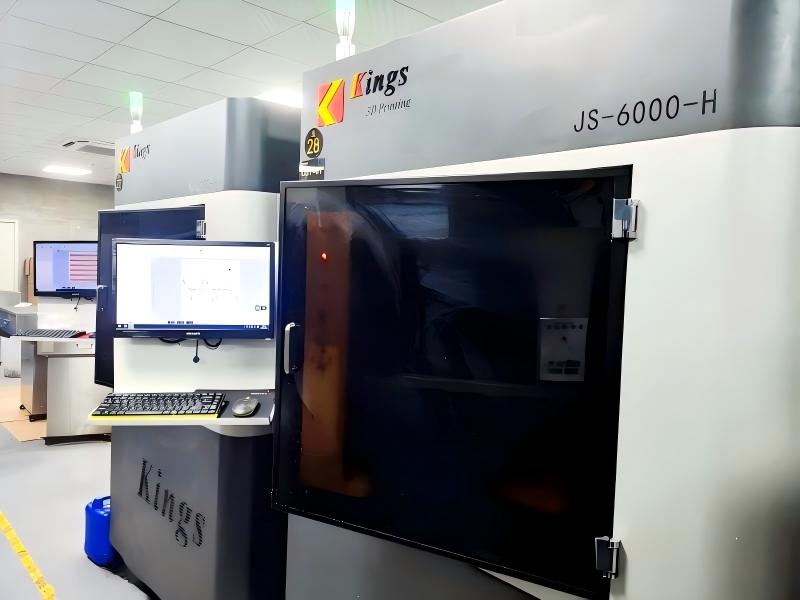
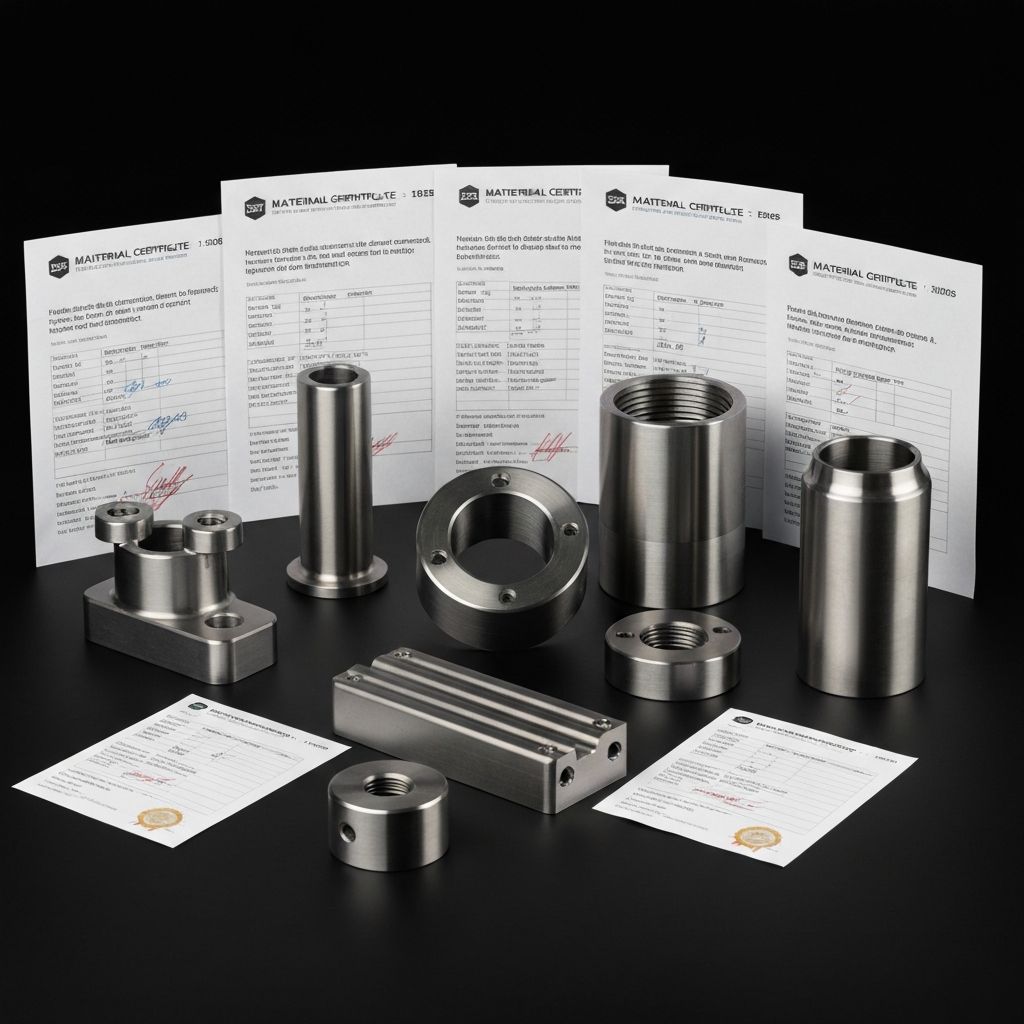
KTM coordinates partner-factory 3D printing with the engineering and finishing required for your part. We review loads, temperature, mating surfaces, appearance and quantity to select a practical process. Material certificates, CMM reports and surface-roughness reports are available on request; specify them when submitting your RFQ.
This KTM video introduces plastics, metals and reinforced composites. Use it as a starting point, then select a specific grade and printing process around your part's function.
Stainless steel, aluminum and titanium suit different loads, temperatures and environments. Specify the alloy, heat treatment and critical interfaces so printing, machining and inspection can be reviewed together before quotation.
Nylon, other thermoplastics and application-specific resins support different prototype and functional needs. Define stiffness, flexibility, temperature and appearance requirements before selecting a material grade, printing process and suitable finishing route.
Glass-filled and carbon-fiber materials can increase stiffness, but filler type and build direction affect performance. Identify the required grade and loading direction; availability and process compatibility require confirmation before quotation.
| Process | Typical use |
|---|---|
| SLS | Functional nylon housings, ducts, brackets and fixtures |
| DMLS / SLM | Metal components with internal passages or complex geometry |
| Conformal cooling inserts | Printed tooling sections integrated into a reviewed mold design |
| SLA / DLP / LCD | Fine-detail resin prototypes and suitable casting patterns |
| FDM | Concept models, fit checks and application-specific fixtures |
KTM material overview · 1 min 42 sec · Plastic, metal and composite printing
KTM connects conformal cooling insert design with the locating faces, water connections, sealing surfaces and finishing needed for mold installation. Our review brings the insert and the existing tool together, so the quotation addresses both the printed geometry and the work needed to integrate it.
Review Conformal Cooling Insert Design →Our own CMM supports dimensional verification of accessible critical features. Specify the drawing revision, datums and inspection scope in your RFQ. Material certificates, CMM reports and roughness reports are supplied when requested and agreed in the quotation.
Materials & Capabilities MatrixSelective laser sintering builds polymer parts in a powder bed that supports the geometry during printing. Our SLS 3D printing service is suited to custom housings, ducts, brackets and fixtures when complex shapes or limited quantities make injection tooling difficult to justify. Enclosed spaces still need a route for removing unfused powder.
For snap fits, thin walls and mating features, we review the material grade, build orientation, clearance and expected loading. A printed nylon prototype does not automatically reproduce the behavior of an injection-molded production part; define what the test needs to establish before choosing the process.
SLS leaves a powder-bed surface texture that may need finishing for appearance or contact with other parts. KTM includes the requested finish in the quotation review, with material compatibility, masked features and final mating dimensions considered together. Agree an appearance reference where visual consistency matters.
Part size, orientation, wall thickness and cooling affect dimensional results. Mark the features that control assembly so their tolerances and measurement conditions can be assessed before the build is quoted.
Bores, datum faces or contact surfaces may need additional finishing when the printed condition is unsuitable. Review machining access, allowance and inspection requirements with the drawing before confirming those features.
Compare material and process requirements in the matrix below.
Materials & Capabilities MatrixSee sanding and spray painting on a helmet-shaped plastic print. This is a surface-finishing example; the material and printing process for your part are selected separately.
For a painted prototype, identify visible surfaces, color reference and gloss level. Sanding removes material; primer and paint add thickness. Mark snap fits, bores and mating faces that must retain their fit, and agree masking and final inspection requirements before finishing. Coating compatibility depends on the polymer or resin.
For your finishing quote: include the CAD model, quantity, cosmetic-face markings and a RAL, Pantone or approved sample reference. Note whether the part is for appearance review, assembly checks or functional testing.
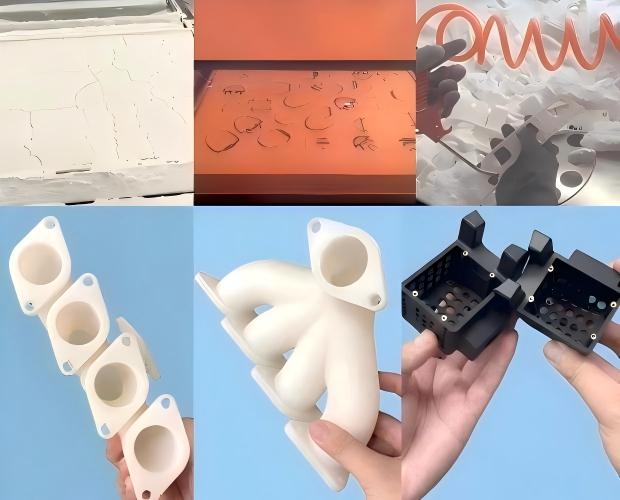
A starting point for functional housings, ducts and fixtures requiring a balance of stiffness and toughness. Confirm the grade, operating temperature, moisture exposure and surface requirements for your particular part.
Consider a filled nylon when stiffness and dimensional behavior matter. Confirm whether the grade contains glass beads or fibers, its filler content and relevant data before approving your material selection.
Consider TPU for flexible covers, cushioning and compliant features. It is an elastomer, separate from nylon. Specify hardness, repeated loading and dimensional requirements before selecting a grade for your application.
| Application | Part requirements |
|---|---|
| Automotive Development | Ducts, covers and packaging studies; review temperature, fluids and mounting loads. |
| Consumer Electronics | Housings and internal brackets; review bosses, connector clearance and cosmetic surfaces. |
| Industrial Equipment | Fixtures and guides; review stiffness, wear surfaces and dimensional stability. |
| Robotics | Gripper bodies and lightweight mounts; review payload, deflection and contact points. |
Application review focuses on the part itself: mounting loads, operating temperature, repeated flexing and the surfaces that contact other components. Share these requirements with the CAD model so the material choice supports the intended test or service conditions.
Send the 3D model, quantity, mating dimensions and operating conditions. Place STEP or STL files in a ZIP for upload.
DMLS 3D printing and SLM are common industry names for metal laser powder bed fusion. The laser melts and fuses powder into successive layers. For a custom part, the important choices are the qualified alloy and process, build orientation, support access, thermal treatment and final machining requirements.
Use metal printing where internal passages, consolidated geometry or difficult tool access provide a practical advantage. For simple shapes, compare CNC machining as well. Printing can reduce geometry constraints while creating new requirements for support removal, distortion control and inspection.
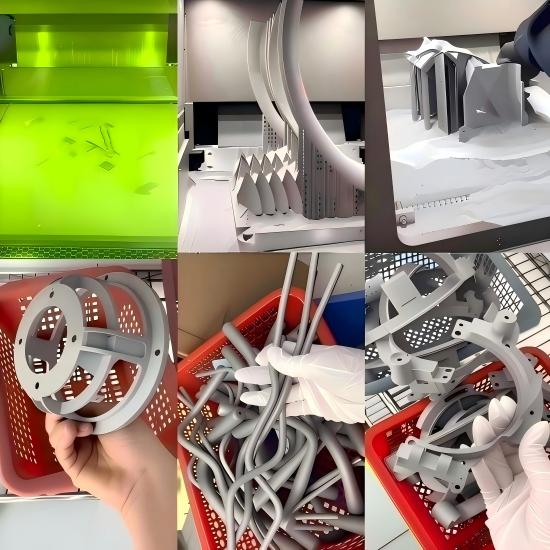
Review build direction, support contact and expected distortion before assigning a tolerance. Accessible external features and enclosed passages need different verification methods; define their acceptance requirements with the drawing first.
Machined bores, mating faces and sealing surfaces require suitable access and stock allowance. Plan final machining around required thermal treatments, then inspect the specified features in their agreed delivered condition.
Heat treatment, support removal and CNC finishing are selected for the alloy and part. HIP is evaluated where the specification requires it; anodizing, passivation, polishing and shot peening apply only to compatible materials and agreed surface requirements. CNC machining for tight tolerance parts is planned around the critical features, machining allowance and accessible datums.
Applications to review include automotive development parts, industrial tooling, lightweight brackets and thermal components. Aerospace, medical or other regulated work requires the specified material traceability, qualification and testing; process selection alone does not establish compliance.
| Alloy | Application to assess | Specification needed |
|---|---|---|
| Ti6Al4V titanium | Weight-sensitive brackets and complex structural geometry | Specify grade, heat treatment, loading and test evidence. |
| Stainless steel | Corrosion-conscious components and fluid-handling geometry | Confirm the exact grade; 304, 316 and 316L are not interchangeable. |
| 17-4 PH stainless steel | Stiff tooling features and strength-sensitive parts | Specify heat-treatment condition and required properties. |
| AlSi10Mg aluminum | Lightweight housings, brackets and heat-transfer geometry | Review distortion, machined interfaces and final surface treatment. |
For a titanium, stainless steel or aluminum 3D printing service, name the exact alloy and acceptance condition on the RFQ. Typical supplier data supports selection; a single tensile-strength number does not certify the finished component.
When comparing metal 3D printing companies, compare the complete delivered condition: alloy, build route, heat treatment, machined interfaces and inspection records. KTM coordinates these requirements in one project review so the quotation covers the part you need to use.
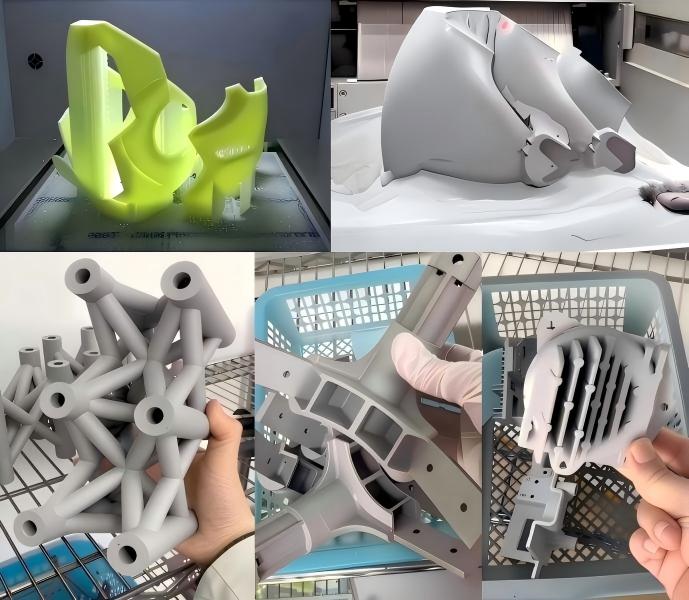
A deep core or curved cavity can leave a hot zone that straight-drilled cooling cannot reach effectively. Conformal cooling channels follow the working geometry more closely. A printed metal insert can improve access to that region, with the channel layout, remaining steel and coolant circuit reviewed as one design.
By bringing coolant closer to difficult hot zones, conformal cooling can shorten the cooling stage compared with conventional straight-drilled channels. The benefit depends on the mold, material and operating conditions and should be confirmed by a controlled mold trial.
Channel diameter, bends and circuit length affect flow resistance; remaining steel must withstand molding loads. Review these with inlet locations, sealing faces and the cooling equipment on your press. The closest possible channel is not automatically the best design.
DMLS mold inserts need a practical powder-removal route and accessible water connections. Agree flow and leak checks before production. Compare cooling time separately from total cycle time, using equivalent material, coolant and part-quality conditions.
For an insert review, send the part CAD, existing water-circuit layout and the hot spot or cooling delay you want to resolve.
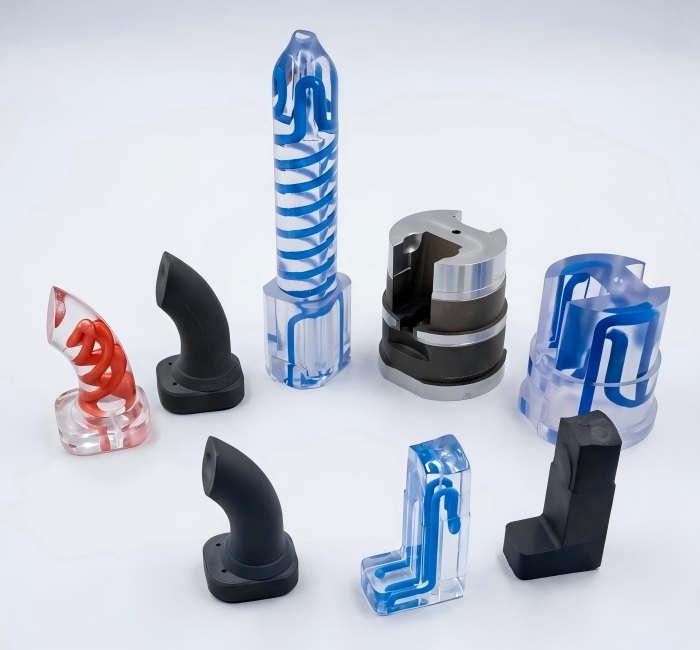
| Decision point | Conventional drilled cooling | Conformal cooling |
|---|---|---|
| Channel access | Drilled paths are limited by drilling direction and access. | Printed channels can follow complex contours, subject to printability and powder removal. |
| Thermal performance | A well-designed drilled circuit may be sufficient. | Useful where a measured hot zone or temperature imbalance remains. |
| Cycle and quality | Record the current cycle, part quality and operating conditions. | Validate the proposed change against the same baseline; no fixed saving applies to every mold. |
| Tooling investment | Usually simpler to manufacture and maintain where geometry permits. | Additional design, printing and validation must be justified by the production requirement. |
| Serviceability | Consider plugging, access and cleaning during design. | Also verify powder removal, leak integrity, pressure drop and cleaning access. |
Deep cores and curved inserts create different cooling and installation challenges. These examples show the design information needed to assess a printed insert for your mold.
A deep core can limit conventional cooling access and extend the time needed for acceptable ejection. Review the resin, local wall thickness, packing conditions and temperature pattern before attributing sink or distortion to cooling alone. A conformal insert proposal should explain the new flow path and how the trial will compare cycle time and part quality.
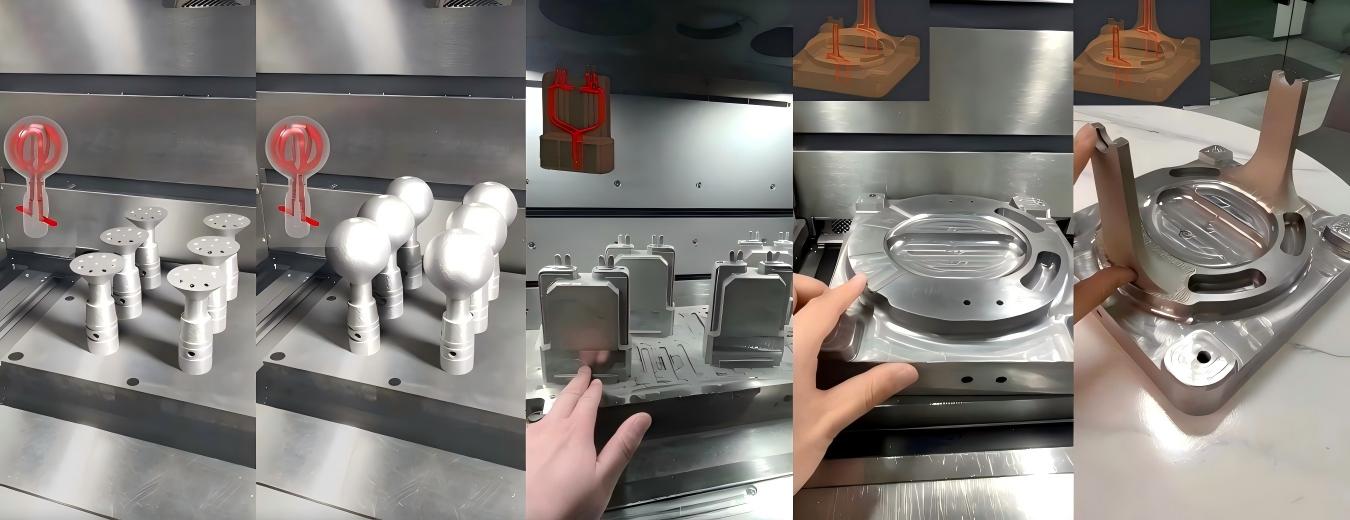
A curved insert may need a cooling passage that cannot be drilled through the available steel. Review a printed insert or compatible hybrid construction against the existing locating faces and water connections. The design must address the material interface, thermal processing, strength, leak integrity and access for final machining before the existing mold base is retained.
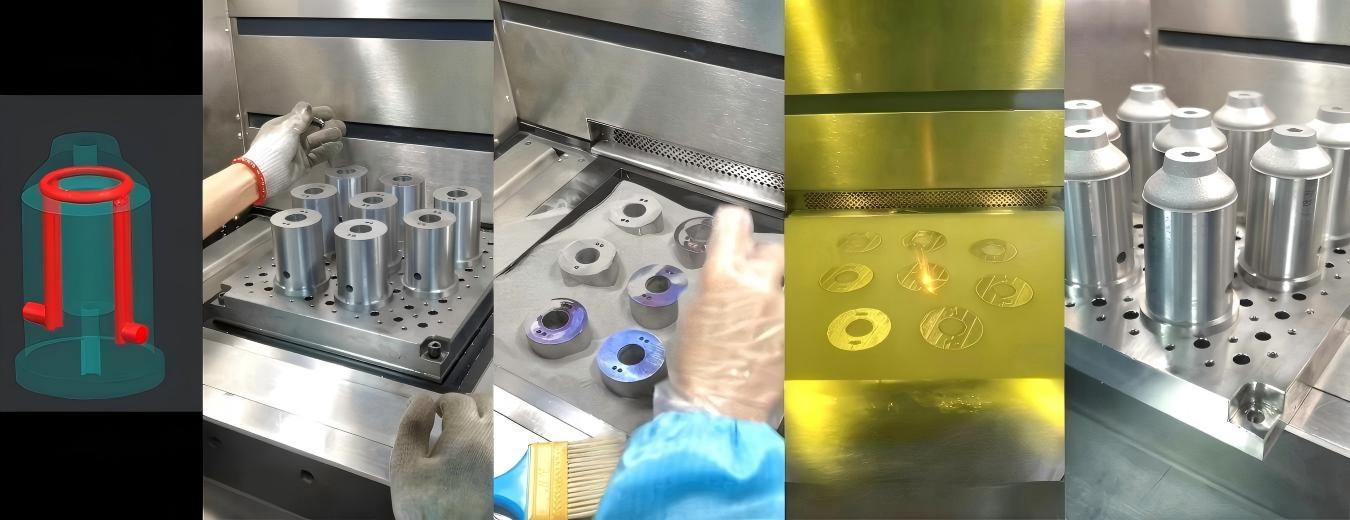
| Review point | Engineering considerations |
|---|---|
| Thermal target | Identify the hot region and the cycle stage that limits output; compare cooling time and total cycle separately. |
| Channel layout | Select diameter, spacing, cover thickness and bends for heat transfer, steel strength and flow. Check clearance from ejectors, sliders and screw holes. |
| Powder and coolant access | Provide powder escape routes, usable inlet/outlet connections and a plan for clearing and checking the circuit. |
| Material and construction | Select the tool steel and thermal treatment; confirm how a printed section connects to an existing steel base. |
| Finishing and acceptance | Define locating faces, sealing faces, final dimensions and agreed leak or flow checks. |
| Trial comparison | Record resin, machine, mold temperature, cycle and defect criteria before comparing the modified tool. |
An insert may be fully printed or combine a printed cooling section with a steel base. For hybrid or grafted construction, the quotation identifies whether the section is printed directly on the base or printed separately and joined, with the materials, joining method where applicable, heat treatment and interface acceptance requirements.
A deep core stays hot after the surrounding cavity cools. Review a conformal channel where the temperature imbalance limits ejection or contributes to a repeatable defect under recorded molding conditions.
Cooling occupies a substantial part of the current cycle. Compare the proposed circuit with measured production data to determine whether insert cost and qualification effort fit the expected production demand.
Curved cavities, slender cores or obstructed drilling access restrict conventional passages. Review channel printability, powder removal and coolant flow together before choosing a printed insert for the difficult cooling region.
Repeated runs make a small validated cycle improvement commercially relevant. Calculate the benefit using cavity count, annual volume, machine time and acceptable part quality before deciding on the tooling investment.
The existing mold base remains serviceable while a replaceable insert needs better cooling. Review locating faces, water connections and material compatibility before retaining the base within a qualified construction route.
Different regions reach acceptable ejection temperature at different times. Review cooling balance where this mismatch contributes to distortion, checking resin, packing and part geometry before defining the insert trial criteria.
These are different tooling choices. Metal inserts can be evaluated for repeated production after their material, cooling circuit and mold interfaces are qualified. Printed polymer tooling serves a narrower range of prototype or short-run conditions. When reviewing 3D printing molds, specify the resin, melt and mold temperatures, injection pressure, part quantity and required tool life. KTM's focus on this page is metal insert integration.
Send the part and mold drawings, cooling layout, current cycle and the defect or hot zone you want to address.
Choose a process and material together, then define the delivered condition. The examples below are review starting points; grade availability, build size, feature tolerances and lead time are confirmed for the complete part.
| Process | Material family | What to review |
|---|---|---|
| SLS | PA12, compatible filled nylon or TPU | Fit, thin walls, powder escape and required surface texture |
| DMLS / SLM | Specified titanium, stainless steel or aluminum alloy | Build direction, supports, thermal treatment and machined features |
| Conformal cooling inserts | Tooling alloy selected for the mold duty | Steel strength, channel clearance, leak/flow checks and mold fit |
| SLA / DLP / LCD | Standard or application-specific resin | Detail, curing, heat/UV exposure and pattern requirements |
| FDM | Compatible engineering or prototype filament | Layer direction, stiffness, temperature and support surfaces |
| Surface finishing | Material-compatible blasting, coating, polishing or other specified finish | Appearance, coating allowance, masked features and final inspection |
A layer thickness is not a finished-part tolerance. For critical features, supply a marked 2D drawing and define whether the dimension applies before or after heat treatment, machining or surface finishing. Typical production lead time is 4–15 business days. Confirm the schedule for the agreed printing, finishing and inspection scope; transport and mold trials require separate scheduling.
For SLS nylon, describe temperature, moisture, chemicals and repeated flexing. For DMLS metal parts, define alloy, loading, corrosion exposure and heat-treatment condition. A familiar material name alone does not establish performance in the printed and finished condition.
Build orientation affects surface texture, support access and mechanical behavior. Identify load direction, thin walls, sealing faces and datum features in the drawing. Review machining allowance where a printed surface cannot meet the required fit; specify acceptance in the final delivered condition.
State the color, cosmetic reference, coating or surface-roughness requirement. Mark features that need masking or measurement after finishing. Request material certificates, a CMM report or roughness results with the enquiry so the quotation includes the agreed documentation and inspection scope.
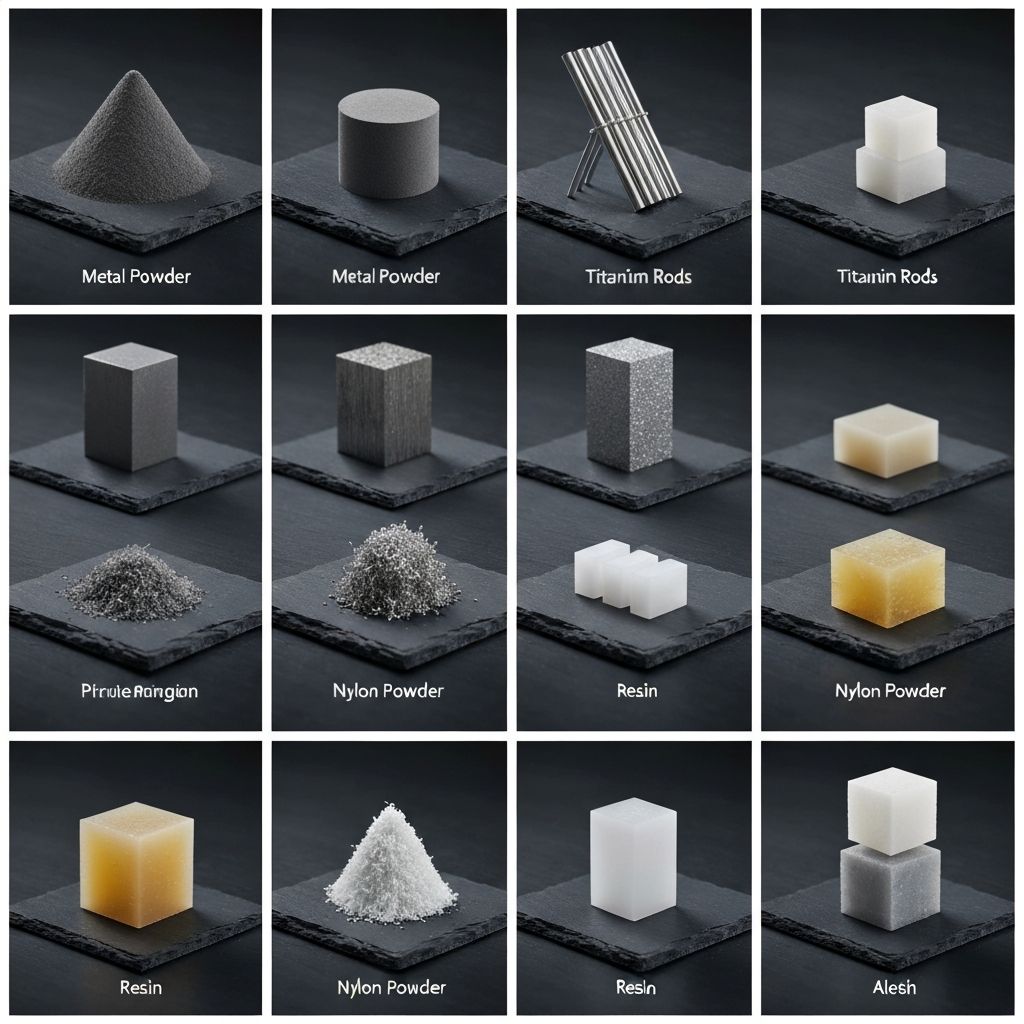
KTM has its own CMM for dimensional inspection. Printed parts are produced through partner factories, with inspection requirements agreed against your drawing and delivered condition. Material certificates, CMM reports and surface-roughness reports are available on request, rather than included automatically with every order.
Mark the datums, bores, mating faces and other accessible features that control fit. We review the CMM measurement scope and any additional inspection needed for those features. A dimensional report does not establish powder clearance or leak integrity inside a cooling passage; circuit checks must be specified separately.
If your project needs a particular report format, include a sample or inspection template with the RFQ. Confirm the measurement scope and required records before production so inspection supports your release decision.
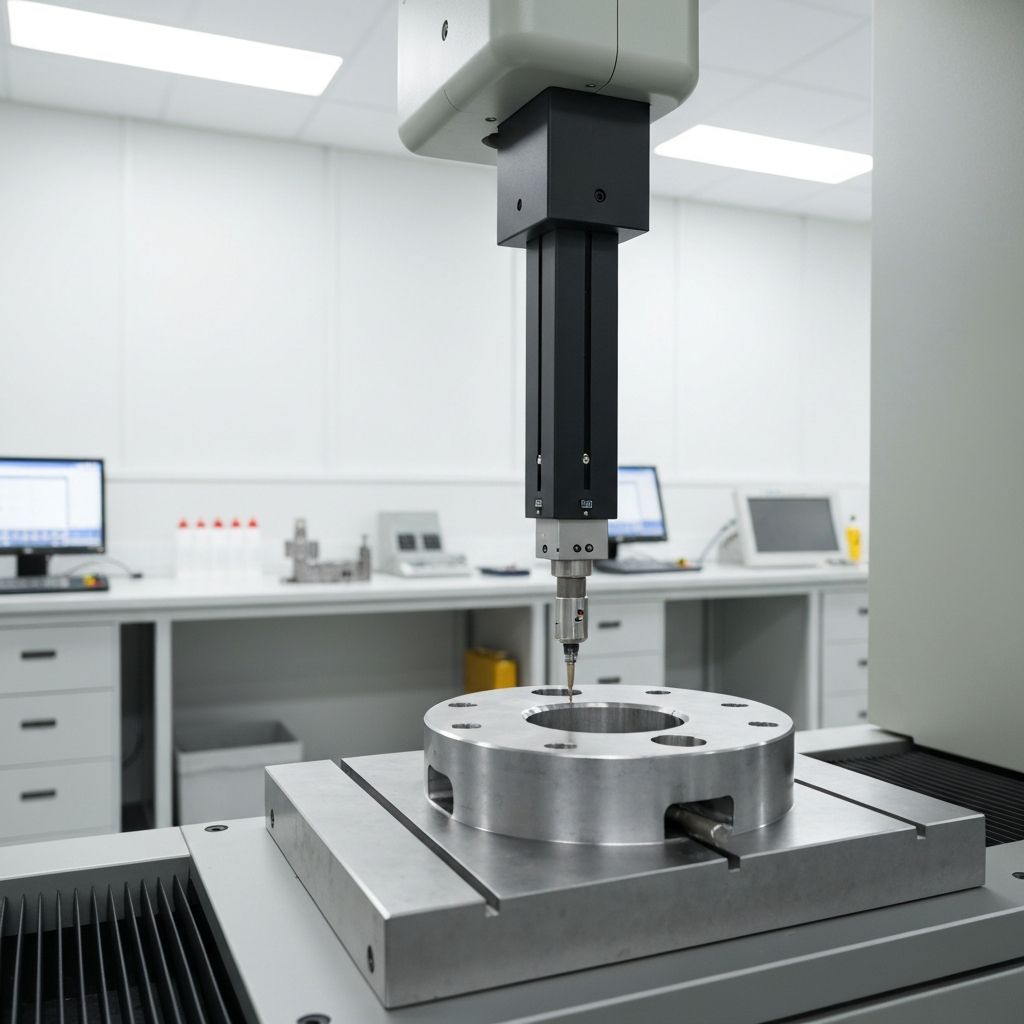
One coordinated review connects the CAD model to material, finishing and acceptance requirements. Resolve missing information before fixing the manufacturing route and delivery schedule.
| Step | Action | Your project |
|---|---|---|
| 1 | Submit the RFQ | Send model, drawing, material, quantity and target date; request an NDA first if required. |
| 2 | Review print readiness | Check geometry, supports or powder escape, critical features and suitable process options. |
| 3 | Confirm the quotation | Agree drawing revision, grade, finishing, inspection, price, lead time and delivery terms. |
| 4 | Manufacture and inspect | Complete the approved route, with progress communication and any changes recorded against the order. |
| 5 | Review delivery records | Receive the agreed inspection documents and identify any questions against the approved specification. |
We provide a first response within 24 hours. Quotation timing depends on the drawings, geometry, project size and completeness of the information supplied. Typical production takes 4–15 business days; the quotation confirms the scope, start conditions and schedule. Transit and mold trials are scheduled separately.
A custom printed part often has a next step: assembly, machining, testing or installation in a mold. KTM's engineering review connects that next step to the printing decision, with the project requirements carried through to finishing and inspection.
KTM coordinates partner-factory printing with CNC finishing and mold integration requirements. Material grade, drawing revision, critical dimensions and delivered condition form one specification, so printing and secondary operations address the same acceptance criteria.
Our in-house CMM supports accessible dimensional features. Agree datums, inspection scope and requested reports before production. For cooling inserts, include water connections, sealing faces and installation requirements so these interfaces are considered from the start.
Send your CAD model, marked drawing, quantity and intended use. KTM can discuss the printing and finishing route and identify the information needed for a complete quotation.
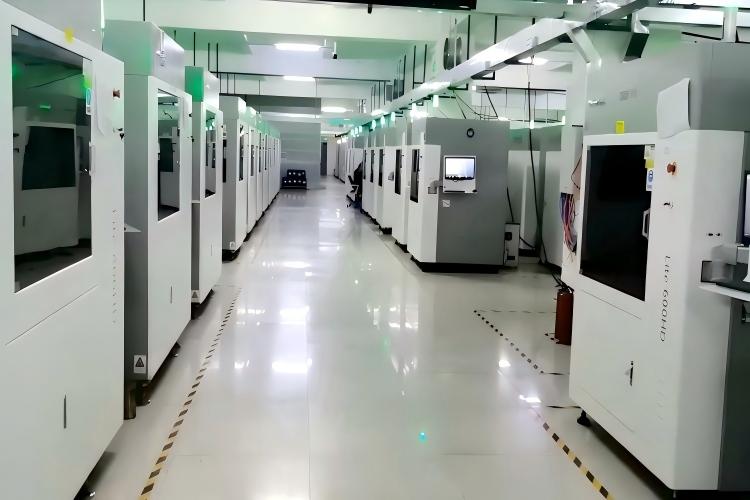
KTM coordinates partner-factory printing with the material selection, machining and inspection your part needs. You can review these stages in one quotation, with the delivered condition defined before manufacture. This is particularly useful when a printed component needs accurate mating features or integration into an existing production mold.
KTM reviews cooling inserts against mold interfaces, including locating faces, sealing details and water connections. The resulting scope connects printing and finishing with installation. Trial conditions and acceptance criteria are agreed for the project, giving your mold team a basis for assessing fit and cooling performance before release.
KTM owns a CMM for checking accessible critical dimensions. We match measurement coverage to your drawing, datums and acceptance requirements. Material certificates, CMM reports and roughness reports are available on request. Specify reporting and sampling needs during quotation so inspection supports your release decision and incoming quality checks.
KTM reviews machining access, locating strategy and stock allowance before agreeing the printing route. Critical fits and sealing surfaces are considered alongside the alloy and thermal treatment. This connects the printed shape to finished dimensions, with machining and inspection included in the scope your assembly or mold requires.
Expect an initial response within 24 hours to begin the technical review. Detailed quotation timing depends on part geometry, project scope and file completeness. Send the model, drawing, quantity and target date together so our team can identify missing requirements and establish the next step for your project.
KTM reviews repeat orders against the approved drawing revision, material, finishing and inspection scope. If quantity or performance requirements change, we assess printing, machining and molding options. Purchasing and engineering can compare the next order’s cost, schedule and delivered condition before approving the appropriate combination of manufacturing processes.
How much does metal 3D printing cost for your part? The answer depends on the complete manufacturing route. A small part with inaccessible supports or tight finished interfaces can require more work than its volume suggests. Compare quotes using the same drawing, material condition and inspection scope.
| Cost factor | What affects your quotation |
|---|---|
| Process and material | Alloy, compatible machine route, powder or feedstock and required material condition. |
| Geometry and orientation | Build height, support areas, enclosed channels, powder removal and distortion risk. |
| Finishing and treatment | Support removal, thermal processing, machining, polishing or compatible coating. |
| Inspection and records | Critical-feature measurement, traceability and any specified additional testing. |
| Quantity and schedule | Build utilization, repeat setup, material availability and the requested delivery schedule. |
For plastic parts, the same quotation discipline applies. Request a comparison when SLS, resin printing, FDM or another manufacturing route could meet the requirement.
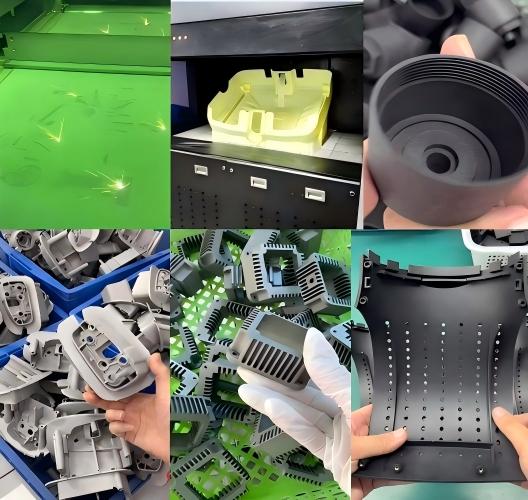
KTM can arrange an NDA before sensitive drawings are shared for review. State any handling requirements with the initial enquiry so both teams agree the scope. The approved model and drawing revision then provide a common reference for engineering decisions and subsequent manufacturing instructions.
KTM’s quotation identifies the agreed material, quantity, finishing, inspection documents and delivery terms. If a design or specification changes, we review its effect on price and schedule before proceeding. Your purchasing and engineering teams can approve the revised scope against the same documented requirements.
KTM coordinates project communication across printing, finishing and inspection. Agree progress update points when placing the order, especially where several processes or mold trials are involved. Technical questions and accepted revisions are recorded so the people preparing and accepting the component share current requirements.
Send the drawing reference, photographs and measurement conditions if a delivered feature appears outside specification. KTM reviews the evidence with the project team and agrees corrective action and acceptance checks. The response follows the confirmed cause and requirements recorded in the approved project order.
Practical answers for engineers and purchasing teams preparing a custom part or mold-insert RFQ.
Send a 3D model, a marked 2D drawing where dimensions matter, material or performance requirements, quantity and target date. Identify cosmetic faces, mating features and required records. For a cooling insert, include mold interfaces and the existing circuit. Place STEP or STL files in a ZIP; you can upload ZIP and PDF files.
Use the function, material and geometry to shortlist a route. SLS suits many nylon housings and fixtures; DMLS / SLM supports complex metal geometry; resin printing provides fine detail; FDM is useful for concept models and suitable fixtures. Compare CNC where the shape is readily machinable or the required material condition favors stock material.
Accuracy depends on size, geometry, orientation, material and processing. Mark critical bores, datums and sealing faces on the drawing. Accessible features can be reviewed for CNC finishing with suitable allowance and fixturing. The quote should separate as-printed tolerances from final machined requirements and state the inspection method.
KTM provides a first response within 24 hours. Preparing the quotation depends on your drawings, geometry, project size and whether the information is complete. Typical production takes 4–15 business days, with the actual schedule confirmed for the agreed printing, finishing and inspection scope. Shipping and mold trials require separate scheduling.
Often the first step is reviewing a replaceable core or insert, its locating and sealing surfaces, available steel and coolant connections. Send the current mold and part drawings. Feasibility depends on the interfaces, material and cooling circuit; retention of the existing mold base is confirmed after that review.
Start with measured cooling time, total cycle and part-quality data. The benefit depends on whether cooling is the limiting stage and whether the new circuit addresses the actual hot zone. A reduced cooling time is not the same percentage reduction in total cycle. Compare the modified mold under defined, consistent trial conditions.
These reports are available on request and are not standard with every order. KTM has its own CMM. Tell us which dimensions, surfaces and material records your acceptance process requires, so the quotation includes the inspection and documentation scope. For cooling inserts, specify any flow, leak or internal-channel checks separately.
Request the NDA before uploading confidential drawings or models. Confirm the covered information and any project-specific handling requirements with the team, then provide the approved revision for review. Put confidentiality questions in the initial enquiry if you prefer to establish the terms before sending design files.
The metal 3D printing price depends on alloy, build height and orientation, supports, thermal treatment, machining, finish, quantity and inspection. Send the same requirements when comparing quotations. A part with inaccessible supports or demanding finished fits may cost more than a larger, simpler component. KTM quotes the complete agreed manufacturing scope after reviewing your files.
A metal insert may be suitable after its material, construction, cooling passages, interfaces and trial performance are qualified for the intended duty. When considering 3D printing molds, distinguish metal inserts from polymer prototype tooling. State the molding resin, temperatures, pressure, expected quantity and tool-life requirement before selecting the construction.
Send a custom metal or plastic part, or a mold insert with a cooling problem to solve. KTM coordinates the printing route, finishing and inspection requirements around your drawing and application.
Injection Moldmaking Services
Production-ready tooling after prototype validation
Custom Injection Molding Services
Move from prototype parts to repeatable production molding