
Custom Stainless Steel CNC Machining Services
From a single prototype to 100,000 parts, KTM provides stainless steel CNC machining with no minimum order quantity. Send your model and drawing for a free DFM review of CNC feasibility and difficult features. We machine grades including 303, 304, 316 and 17-4 PH, with surface finishing to suit your requirements.
Free DFM review of product structure, tool access and difficult features.
Critical dimensions to ±0.005 mm on suitable features, subject to review.
Multiple surface finishes, including blasting, electroplating and powder coating options available.
No MOQ · 1–100,000 parts · Reply within 24 hours
Stainless Steel CNC Machining Capabilities
Match the process to the features that matter on your stainless steel part. Milling suits pockets and mounting faces; turning suits rotational features; Swiss and mill-turn machining can suit small, slender or combined geometries. We review tool access, workholding and inspection requirements before confirming the route.
Standard machining tolerances typically range from ±0.01 to ±0.02 mm, depending on feature size and geometry. Tolerances of ±0.005 mm are achievable on suitable critical features, subject to drawing and process review.
What we machine in stainless steel:
Stainless Steel CNC Milling
Machine pockets, mounting faces, threaded holes and contoured surfaces. Tool access, internal radii and fixture locations are reviewed against your approved stainless steel drawing before the machining route is agreed.
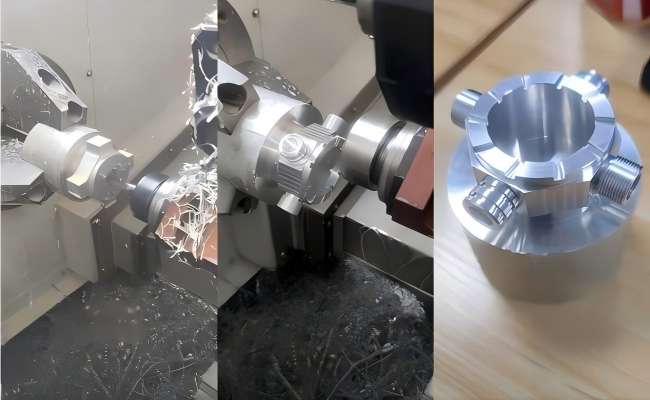
Stainless Steel CNC Turning
Produce shafts, bushings, sleeves and threaded fittings. Diameter tolerances, concentric features and sealing surfaces guide tool selection, workholding and the agreed dimensional inspection requirements for your stainless steel turned parts.
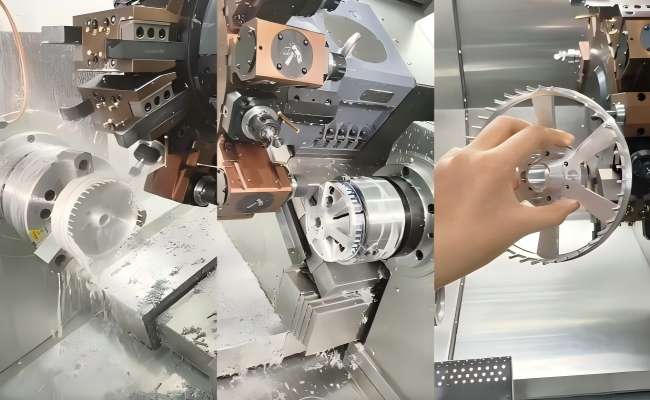
Swiss Machining
Support slender shafts, pins and small turned components. Part diameter, unsupported length and stainless steel condition determine whether Swiss machining offers a suitable production route for your geometry and quantity.
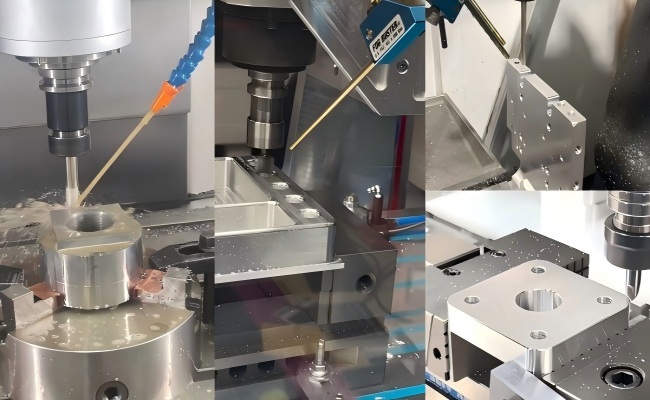
Mill-Turn Machining
Combine turned diameters with milled flats, slots and cross holes. Reducing transfers between setups can help control feature relationships on complex stainless steel components with both rotational and prismatic geometry.
Mark critical fits, datums and geometric tolerances on the 2D drawing. Surface roughness, deep features, heat treatment and coatings can affect the process and inspection plan. Where a milled feature is difficult to access, the DFM review can propose a larger radius, revised geometry or a separately assessed secondary operation.
Stainless Steel Grades We Machine
Choose a stainless steel grade for the service environment, required strength and manufacturing route. Machinability affects cost, while material condition, heat treatment and surface finish affect the finished part. The comparisons below help frame the choice; the drawing and application determine the final specification.
304 Stainless Steel Shaft: Mill-Turn Machining
The video shows a 304 stainless steel shaft undergoing mill-turn machining. Turning establishes the shaft diameters and shoulders; milling produces the specified off-axis features. Planning both operations around consistent datums reduces positioning errors from repeated clamping and helps control the relationship between cylindrical surfaces and milled features.
For 304 shaft machining, sharp cutting edges, a suitable chip load and effective chip evacuation help limit rubbing and work hardening. Slender sections need adequate support to control deflection. Inspection should address specified diameters, shoulder spacing and runout relative to the drawing datums, with burr removal checked at intersecting features.
| Grade | Machining considerations | Selection considerations | Typical components |
|---|---|---|---|
| 303 | Free-machining grade with improved chip breaking | Review corrosion exposure and welding requirements | Fittings, threaded shafts, bushings |
| 304 / 304L | Requires control of work hardening and chips | General corrosion resistance; assess chloride exposure | Housings, brackets, mounting plates |
| 316 / 316L | Requires suitable tooling and chip evacuation | Improved chloride resistance versus 304; application still matters | Valve bodies, pump components, equipment fittings |
| 416 | Free-machining martensitic grade | Specify hardness; assess corrosion limitations | Shafts, valve components, mechanical fittings |
| 420 | Machining depends strongly on hardness | Specify heat treatment and wear requirements | Wear components, selected tooling inserts |
| 17-4 PH | Plan machining around material and aging condition | Strength and dimensional requirements depend on condition | Loaded brackets, shafts, mechanical components |
Specify the grade together with the required material standard and condition. For 17-4 PH, identify the required aging condition. For 416 and 420, include the hardness requirement. If the grade is open, send the operating environment, loads and finish requirements with the drawing so the options can be reviewed before quotation.
Managing Stainless Steel Machining Challenges
Stainless steel machining requires control of work hardening, tool wear and chip evacuation. The appropriate cutting strategy depends on the grade and material condition, as well as the rigidity and accessibility of each feature.
Work Hardening
Cutting and rubbing can harden the surface of austenitic grades such as 304 and 316.
Process considerations
Sharp tools, suitable chip loads and controlled engagement help limit rubbing; the cutting strategy must suit the grade, material condition and rigidity of the setup.
Heat and Dimensional Drift
Heat in the cutting zone can accelerate tool wear and affect dimensions during stainless steel machining.
Process considerations
Cutting speed, coolant delivery and finishing allowances must be selected together, with critical dimensions checked under suitable conditions rather than immediately after heavy cutting.
Built-Up Edge and Chip Control
Stainless steel can adhere to the cutting edge, affecting surface finish and tool life.
Process considerations
Suitable insert geometry, cutting conditions and coolant delivery help manage adhesion and chip evacuation, particularly when machining enclosed pockets, deep bores and small internal threaded features.
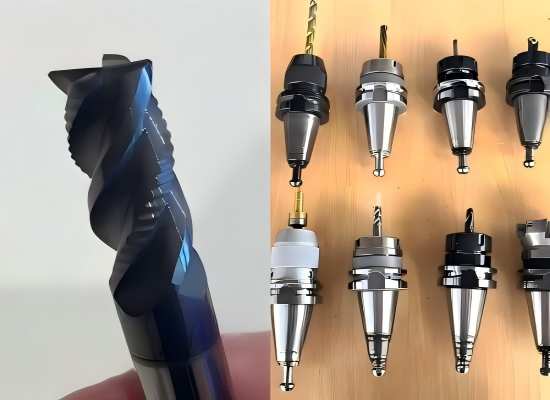


Thin walls and slender features also need sufficient support. During DFM, we identify features that may require revised geometry, a different machining sequence or additional fixturing. The final cutting parameters are established for the actual material and operation.
Free DFM Review for Your Stainless Steel Part
Before quoting the machining route, we assess whether your product structure can be produced by CNC machining. The review identifies difficult features and explains how they affect tooling, setups, dimensional control or finishing. Where a change would help, we identify the feature and propose an adjustment for your approval.
What the review covers
Tool access and internal corners: Check whether cutters can reach the feature and whether an internal radius needs to change.
Thin walls and slender sections: Review unsupported length, clamping space and the risk of deflection during machining.
Deep pockets and bores: Assess tool reach, chip evacuation and the practicality of achieving the specified finish.
Threads and intersecting holes: Review thread depth, runout space, burr access and clearance for inspection.
Tolerances and finishing allowances: Identify critical fits and the effect of heat treatment, plating or coating on final dimensions.
Keep the dimensions that control function clearly identified. Any proposed change is reviewed with you before the drawing is released for production.
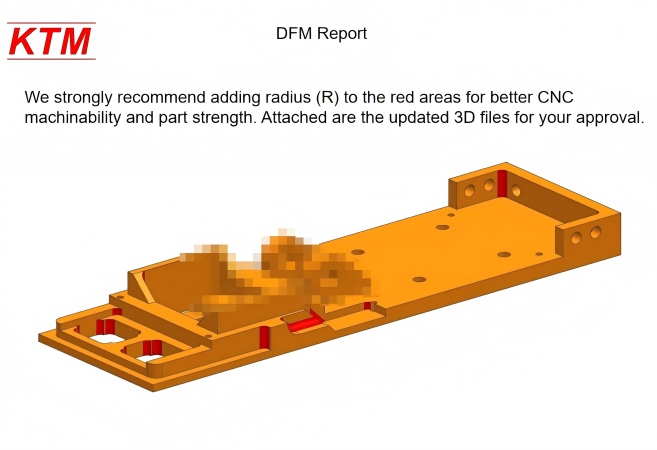
Find the Difficult Features Before You Place an Order
Send your stainless steel CAD model and drawing for a free CNC feasibility review. We will identify questions or machining concerns and respond within 24 hours.
Get My Free DFM ReviewSurface Finishes for Stainless Steel Parts
Select the finish for the surfaces that matter: sealing faces, visible areas, threads and mating features can require different treatment. KTM offers blasting, electroplating and powder coating alongside the finishing options below. Specify the grade, appearance and functional requirements so finish allowances can be considered before machining.
As-Machined
Retains visible machining marks with no decorative coating. Specify roughness on sealing or sliding surfaces, and identify burr limits and edge breaks where stainless steel parts contact seals or operators.
Blasting
Creates a consistent matte appearance on stainless steel surfaces. Define the blasting medium and cosmetic reference; identify sealing faces, threads and precision fits that need masking or protection during processing.
Passivation
Removes free iron contamination from stainless steel surfaces. Specify the required treatment and acceptance criteria; grade selection, prior cleaning and surface condition influence the suitability of the proposed passivation process.
Polishing
Refines surface texture on visible areas or functional contact surfaces. Specify the required roughness, appearance and inspection location; polishing allowances must protect critical dimensions and edge geometry on finished parts.
Electroplating
Adds a specified metallic coating for appearance or functional requirements. Stainless steel needs suitable surface preparation; define coating material, thickness, adhesion requirements and masking for threads, bores and mating surfaces.
Powder Coating
Provides a colored finish where the application requires it. Confirm surface preparation, coating thickness and curing conditions; mask stainless steel threads, sealing faces and electrical contact areas before powder application.

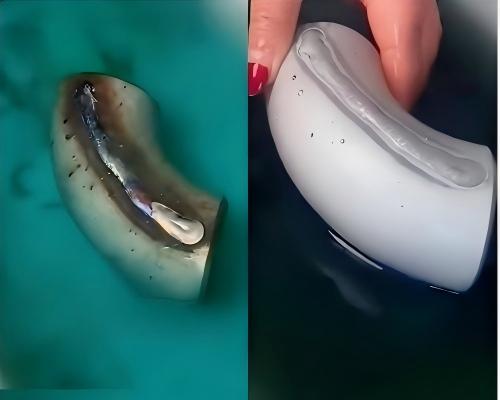

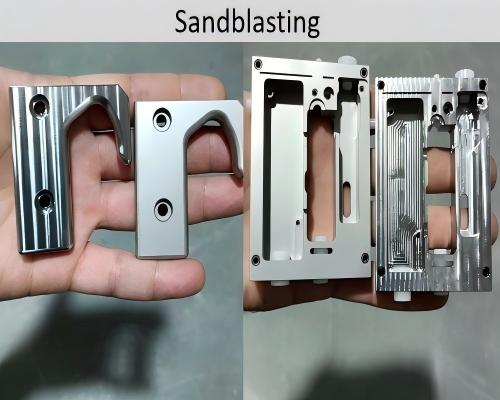
Show masking zones and final dimensional requirements on the drawing. A coating can change a fit; polishing can alter edges; blasting can change surface texture. Confirm whether the stated roughness and dimensions apply before or after treatment. Electropolishing or other specialist finishes can be assessed when specified.
Quality Control for Stainless Steel CNC Parts
Inspection starts with the drawing: which dimensions control assembly, which surfaces seal, and which material or finishing records are required. The inspection method and documentation should match those requirements. The six areas below define the checks to agree when quoting your stainless steel parts.
Dimensional Inspection
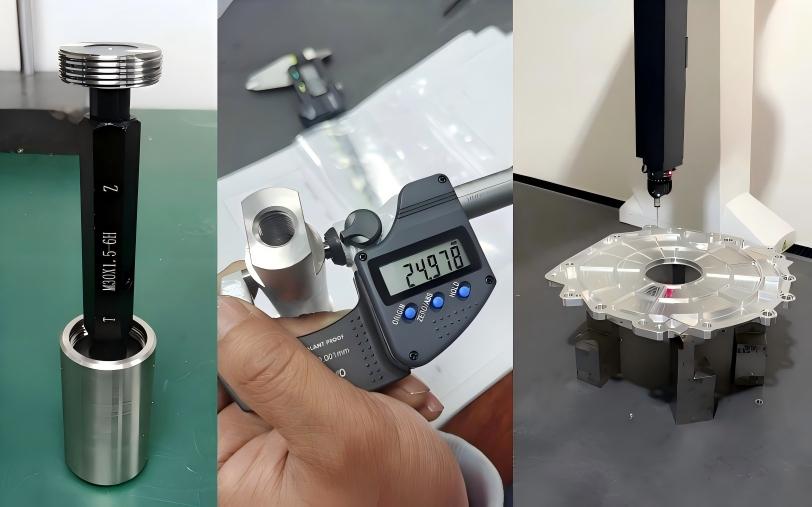
Check critical dimensions using CMM equipment, micrometers or calipers as appropriate. Select measurement methods for the feature geometry and tolerance, with datums and reporting requirements agreed before stainless steel production.
Material and Batch Traceability
Specify the stainless steel grade, material condition and certificate requirements at quotation. Agree how material identification and inspection records connect to the supplied batch and your part revision before production.
Surface Roughness Checks
Use a roughness tester to check specified Ra values on sealing faces, sliding surfaces or visible areas. Define measurement locations and acceptance limits for the functional surfaces on stainless parts.
Threads, Bores and Profiles
Check threads with thread gauges and bores with pin or plug gauges. Use a profile projector for accessible contours, with inspection methods selected for the stainless steel drawing and tolerances.
Hardness and Material Condition
For 17-4 PH, 416 and 420 parts, specify the required heat treatment condition and hardness range. Agree verification requirements and consider dimensional changes when planning machining and subsequent finishing operations.
Finish and Final Acceptance
Review burrs, edge breaks, cosmetic surfaces and specified finish requirements before release. Agree acceptance criteria for coated or passivated stainless steel parts, including protected features and required documentation at quotation.
Define Acceptance Before Production
Critical dimensions need a clear reference. Identify the datums, fits, thread classes and geometric tolerances that affect assembly, together with the required material condition and surface finish. This allows the inspection plan to distinguish functional requirements from dimensions that can use the agreed general tolerance.
Measurement method also matters. CMM inspection can assess accessible dimensional and geometric features. Micrometers, calipers, thread gauges, pin and plug gauges, a profile projector and a roughness tester address different measurement needs. Each method must suit the feature size, access and acceptance limit. A ±0.005 mm feature requires an appropriate inspection method; not every instrument can verify that tolerance reliably.
For heat-treated, plated or coated parts, define which checks apply after processing. If your purchasing specification calls for material certificates, dimensional reports or batch identification, include those requirements with the RFQ so the quotation covers the expected delivery documents.
Stainless Steel Parts for Demanding Applications
Application requirements help determine the grade, machining route and inspection scope. These examples show the questions to address when specifying custom stainless steel parts. Any industry-specific qualification or customer approval must be confirmed for the project.
Medical Equipment
Stainless steel equipment housings and instrument components require defined surface finish, cleanliness and traceability. Specify the intended application and applicable requirements; material grade alone does not establish medical device suitability.
Aerospace Components
Brackets, fittings and load carrying parts require specified material conditions, drawing revisions and inspection scope. Confirm customer approvals and documentation requirements before selecting a stainless steel grade or manufacturing route.
Food and Beverage
Valve components and pump parts need attention to cleanability, surface texture and crevice geometry. Specify process fluids, cleaning chemicals and temperature when selecting stainless steel and defining the final finish.
Marine Equipment
Stainless steel fittings and pump components face varying chloride exposure. Define immersion, temperature and crevice conditions; 316 can still suffer localized corrosion and needs application specific material and surface review.
Automotive Systems
Shafts, sensor housings and fluid system fittings combine dimensional and environmental requirements. Specify operating temperature, mating materials, thread details and production inspection needs when requesting custom stainless steel machined components.
Precision Instruments
Sensor housings and optical mounting components depend on bore alignment, mounting flatness and consistent interfaces. Mark functional datums, finish requirements and critical fits on the stainless steel drawing before quotation.
The following component examples show the features to discuss when reviewing a stainless steel drawing. Application images are illustrative references.
Stainless Steel Component Reviews
These component examples illustrate the features that guide a stainless steel machining review. Actual tolerances, finishes and acceptance requirements come from the project drawing.


Feature to review
Hole positions relative to the mounting face
Manufacturing consideration
Plan workholding around datums and avoid distorting unsupported sections
Acceptance focus
Hole location and mounting-face geometry against the drawing
Feature to review
Sealing bores, internal passages and intersecting holes
Manufacturing consideration
Review tool reach, chip evacuation and access for removing internal burrs
Acceptance focus
Bore dimensions, sealing finish and specified edge conditions
Feature to review
Thin sections and mounting features after aging
Manufacturing consideration
Confirm material condition and allow for the selected heat-treatment sequence
Acceptance focus
Specified condition, critical dimensions and final mounting geometry
Feature to review
Internal corners, wall thickness and visible surfaces
Manufacturing consideration
Balance cutter access and wall support with the required surface treatment
Acceptance focus
Assembly dimensions, burr limits and agreed cosmetic appearance
These engineering examples illustrate feature reviews. Images are reference illustrations; material, dimensions and acceptance requirements are defined by your project drawing.
Have a Similar Stainless Steel Component?
Send the drawing, grade and quantity. We will review the machining requirements and identify the details needed to quote your part.
Request My Stainless Steel QuoteWork with KTM on Custom Stainless Steel Parts
Source stainless steel CNC machining from KTM in Dongguan, China, with the part requirements established before production. Start with the grade, drawing and quantity, then agree the machining route, finish and inspection scope.
For a stainless steel RFQ, the details that affect cost often sit in individual features: a deep threaded hole, an unsupported wall, a sealing bore or a surface that needs coating. KTM’s DFM review starts with those features and assesses whether the structure is suitable for CNC machining. Where a feature is difficult, the review explains the concern and proposes a change for your consideration.
Your drawing also establishes the basis for inspection. Mark the dimensions and datums that control assembly, identify the required material condition, and state which surfaces need finishing. This helps keep the machining and inspection scope tied to the function of the part.
Quantities can range from one part to 100,000, with no minimum order quantity. Include both the immediate order and expected repeat demand when available. The quotation can then address the requested batch, finish and delivery requirements. For revisions or repeat orders, identify the current drawing so changes can be reviewed before machining.

| Your requirement | What to establish with KTM |
|---|---|
| A manufacturable stainless steel design | CNC feasibility, difficult features and any agreed drawing changes |
| A clear quotation | Grade, drawing revision, quantity, finishing and inspection scope |
| A small starting quantity | One part is accepted; provide future batch requirements when known |
| Sensitive CAD information | Request an NDA before sharing confidential files |
| Predictable next steps | A reply within 24 hours, with outstanding technical questions identified |
From CAD Review to Stainless Steel Parts
A stainless steel order moves from geometry review to an agreed drawing, machining route and inspection scope. These six steps show what to prepare and what to confirm before production and delivery.
Send CAD and Requirements
Send your stainless steel model and drawing with the grade, quantity and required finish. Identify critical fits, datums, threads and delivery requirements. STEP, IGES or X_T files support geometry review; the drawing defines tolerances and other requirements for your part.
Review CNC Feasibility
We assess whether the product structure suits CNC machining, then review tool access, internal corners, thin walls and deep features. Where machining is difficult, the DFM review identifies the affected geometry and proposes changes for your approval before production begins.
Confirm Scope and Quote
The quotation defines the stainless steel grade, quantity, machining scope, finish and agreed inspection requirements. Delivery timing follows the reviewed geometry and production needs. Any subsequent drawing or scope changes require review before the price and schedule are updated accordingly.
Machine the Approved Design
The machining route follows the approved drawing and material condition. Milling, turning or combined operations are selected for the geometry. Workholding and cutting conditions address stainless steel chip control, tool wear and the relationships between critical features on the part.
Inspect and Finish Parts
Parts are checked against the agreed dimensional and finish requirements. Where heat treatment, blasting, plating or powder coating affects a functional surface, the process sequence and inspection stage account for those effects before the stainless components are released for delivery.
Release and Plan Reorders
Confirm the agreed documents, packing requirements and delivery arrangements for your stainless steel parts. For repeat orders, reference the approved part number and drawing revision, and identify any material, finish or quantity changes so the next quotation uses current requirements.


Production lead time is confirmed with the quotation after reviewing material availability, geometry, quantity and finishing. A reply within 24 hours is the initial response commitment; a complex DFM review or final quotation may need further technical clarification.
Stainless Steel CNC Machining FAQ
Send a STEP, IGES or X_T model and a 2D drawing showing critical dimensions, datums and threads. Include the stainless steel grade, material condition, quantity, finish and required delivery date. We respond within 24 hours and identify any information needed to complete the DFM review and quotation.
No. KTM accepts orders from 1 to 100,000 stainless steel parts. Send the quantity needed now and any expected repeat demand. Geometry, material availability and finishing requirements determine the appropriate machining route and production schedule for each order.
Consider the service environment, strength and manufacturing requirements. 303 offers easier machining; 304 is widely used for general applications; 316 provides better chloride resistance than 304. Specify the material condition for 17-4 PH, 416 or 420. If the grade is undecided, provide the operating conditions for review.
Standard machining tolerances typically range from ±0.01 to ±0.02 mm, depending on feature size and geometry. Tolerances of ±0.005 mm are achievable on suitable critical features after review. Mark geometric tolerances separately and identify whether dimensions apply before or after heat treatment and finishing.
Feasibility depends on the grade, feature dimensions, tool access and support available during machining. The free DFM review examines these points and identifies difficult features. We may recommend changes to wall geometry, corner radii or hole depth before confirming how the part can be manufactured.
Options include as-machined surfaces, blasting, passivation, polishing, electroplating and powder coating. Specify the appearance, roughness and functional requirements, together with any masking areas. The finish must suit the stainless steel grade, and its effect on critical fits and dimensions should be reviewed before machining.
Include the required material certificates, dimensional reports and traceability requirements in the RFQ. CMM measurement and other inspection methods are selected for the relevant features. The quotation should confirm the documentation supplied and the inspection scope, including any first-article or sampling requirements requested by your project.
Lead time depends on material availability, geometry, quantity, inspection scope and secondary processes. We confirm the schedule in the quotation after reviewing those requirements. If your project has a fixed deadline, include it with the RFQ so feasibility can be assessed before you place the order.
Grade, material condition, machining time, setups, tolerances, finish and inspection requirements affect price. Mark tight tolerances only where function requires them, allow practical internal radii and avoid unnecessary deep features. Our DFM review can identify geometry changes for consideration while preserving the requirements you specify.
Send your drawing, stainless steel grade and quantity for a free DFM review and a reply within 24 hours.
Request a Quote for Your Stainless Steel Parts
Send your CAD model and drawing for a free review of CNC feasibility, difficult features and finishing requirements. Whether you need one prototype or a 100,000-part order, KTM will respond within 24 hours with the next steps for your project.
What to include
- A 3D model and dimensioned drawing, with the current revision.
- Stainless steel grade, material condition and required quantity.
- Critical tolerances, surface finish and inspection documents required.
- Target delivery date and any specific application requirements.
What happens next
We review the product structure and identify any information or design changes needed to establish a machining route. The quotation then confirms the agreed material, machining, finishing, inspection and delivery scope. If your project needs an NDA, request one before sending confidential files.