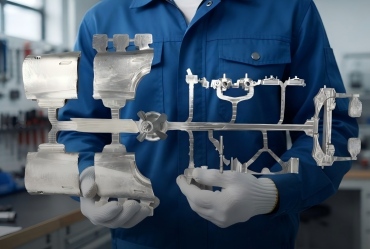
KTM designs zinc die casting molds in Dongguan, coordinates qualified casting and finishing partners, and returns drawing-based assumptions, sample-approval steps, and one engineering contact for custom Zamak parts.
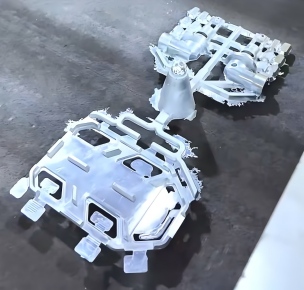
Tooling design led in Dongguan — drawing, datums, gates, and cosmetic zones set the mold brief
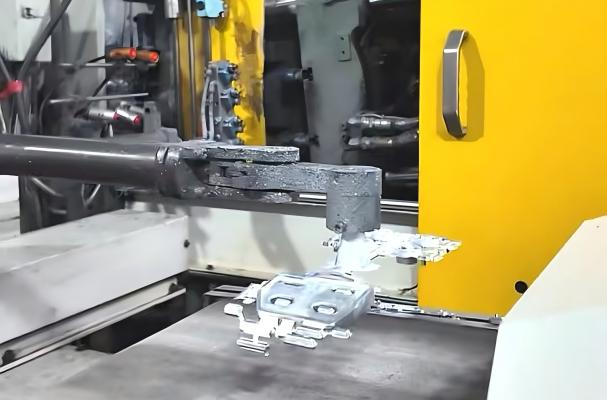
Hot chamber die casting for Zamak — machine, shot weight, alloy, and release assumptions are reviewed together
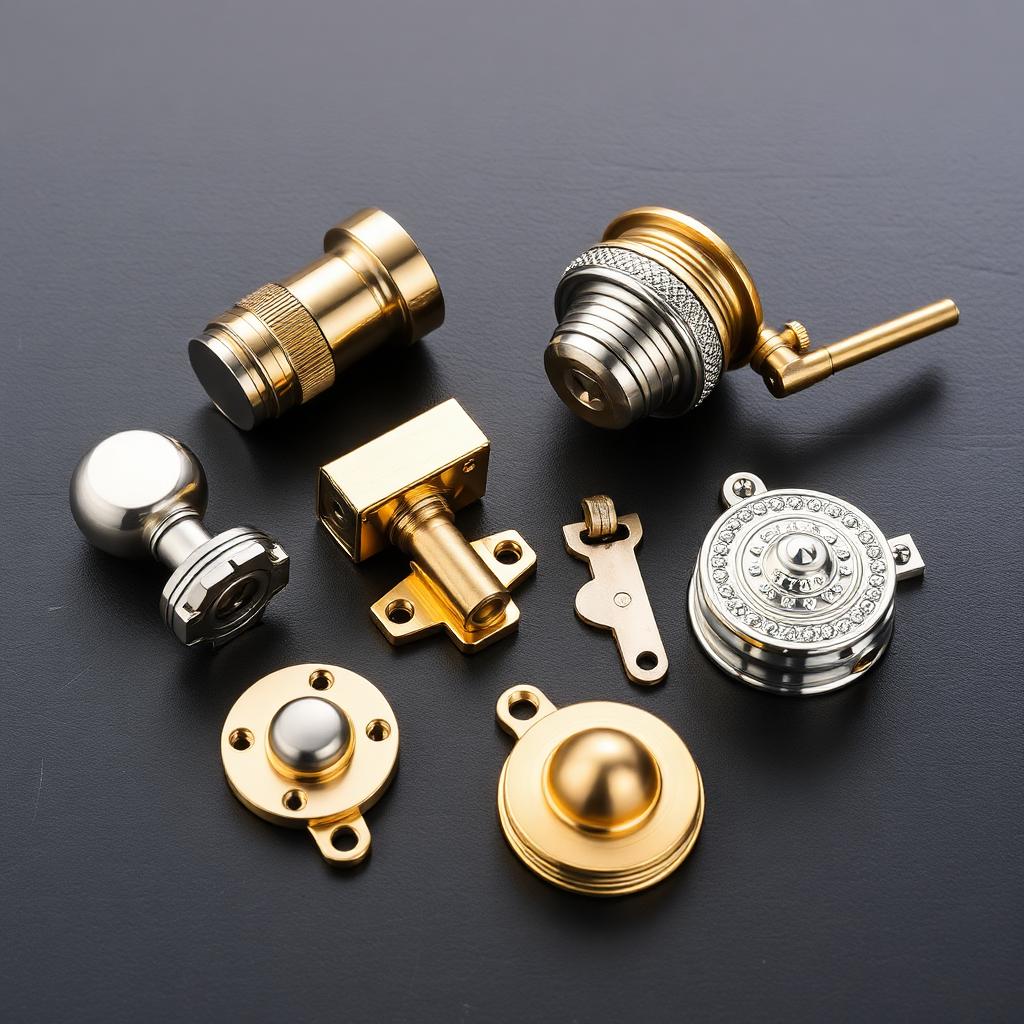
Finish route agreed before tooling — treatment, masking, thickness, and cosmetic sample follow the drawing
Zamak grades matched to the application — load, ductility, plating, temperature, and stability guide selection
One engineering contact — scope, approvals, partner roles, and quality ownership stay visible in writing
Drawing-based inspectionAlloy & finish specifiedNDA on request
KTM is a zinc die casting manufacturer in China focused on die casting mold design, tooling, and engineering coordination. KTM leads zinc mold design from Dongguan and coordinates tool manufacture; qualified casting and finishing partners are selected per project. Your quote states the alloy, process, finish, inspection, and ownership assumptions.
01
Tooling
KTM develops the zinc die casting mold design in Dongguan and coordinates tool manufacture. Steel, cavity strategy, slides, ejection, maintenance basis, and tooling ownership follow your target volume and part requirements.
02
Hot chamber production
KTM coordinates qualified hot chamber die casting partners for Zamak production. Machine fit, shot weight, gating, venting, release quantity, and process records are reviewed before production approval and first-article release documentation.
03
Plating & surface finish
Chrome, nickel, powder coating, polishing, and other routes are scoped with the finish partner for review. Cosmetic zones, masking, thickness, color reference, adhesion, and corrosion tests are agreed before production release.
04
Inspection and records
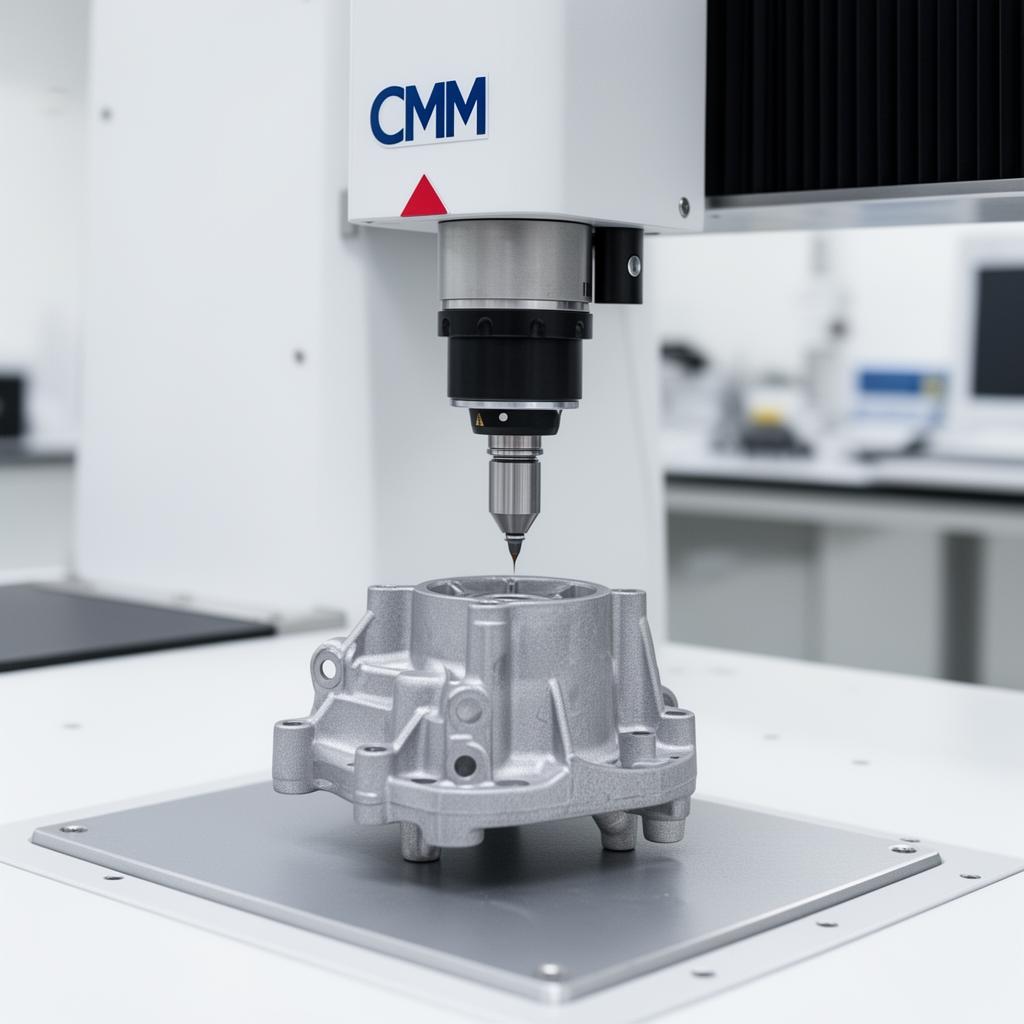
Inspection follows the drawing and agreed sample plan. DFM, first article dimensions, material records, and finish checks are supplied when included in the quote; critical features get defined datums and methods.
Start with the alloy, annual volume, critical dimensions, finish, and tooling ownership. A marked-up DFM explains the design choices before the zinc die casting quote is finalized.
Alloy selection connects load, ductility, plating, operating temperature, and dimensional stability. Zamak 3 is a common reference for general zinc die casting; Zamak 5 adds copper with a strength and ductility trade-off. Zamak 2, Zamak 7, and ZA-8 suit different tooling, plating, purity, or load cases. Use the table as a typical reference only; confirm the producer, standard, section, and test condition for your part.
Typical-reference sources: Eastern Alloys Zamak 3, Zamak 5, Zamak 2, Zamak 7, ZA-8, and the International Zinc Association alloy guide. Density entries marked * use the same Eastern Alloys typical-reference basis, about 6.6 g/cm³ for the Zamak grades and about 6.3 g/cm³ for ZA-8, for early mass and section comparison. Producer values come from test specimens and stated conditions; confirm the selected producer, standard, section, and test method. They are not part-property guarantees, design limits, or acceptance criteria.
Grade
Composition (nominal)
Selection benefit
Trade-off to validate
Typical density*
Typical fit
Zamak 3Common reference
Zn + ~4% Al + trace Mg
General reference for finish and detail
Validate load and finish sample
~6.6 g/cm³*
General decorative and hardware parts
Zamak 5
Zn + ~4% Al + ~1% Cu
Higher strength and hardness potential
Validate impact and ductility
~6.6 g/cm³*
Load or impact; validate ductility
Zamak 2
Zn + ~4% Al + ~3% Cu
Higher strength and hardness option
Validate aging and stability
~6.6 g/cm³*
Higher-strength fittings and tooling
Zamak 7
Zn + ~4% Al; lower Mg
Flow and finish-focused option
Confirm impurity and finish control
~6.6 g/cm³*
Thin-wall or finish-sensitive cases
ZA-8
Zn + ~8% Al + ~1% Cu
Higher-load option
Validate temperature, creep, and machine fit
~6.3 g/cm³*
Selected higher-load hot-chamber parts
Engineering notes
What the spec sheet won't tell you.
Zamak 3
Standard reference for general zinc die casting. Check the specified producer grade, wall transitions, finish route, and lot documentation before approval.
Zamak 5
Typically marginally stronger and harder than Zamak 3, with lower ductility. Review load, forming, impact, and plating requirements together.
Zamak 2
Higher strength and hardness can come with long-term aging changes. Use it when the load case supports the trade-off and dimensional stability is defined.
Zamak 7
A Zamak 3 modification with lower magnesium and tighter impurity control; it may suit thin-wall or finish-sensitive cases. Confirm with sample and plating tests.
ZA-8
A higher-aluminum zinc alloy that can be hot-chamber die cast; check machine fit, section geometry, load, and environment before selecting it. When comparing a zinc route with an aluminum die casting mold, review mass, heat, geometry, and thermal requirements together.
Which Zamak grade for your project?
Decorative plated hardware→ Zamak 3
Load or impact; validate ductility→ Zamak 5
High strength or hardness→ Zamak 2
Thin-wall or finish-sensitive case→ Zamak 7
Higher load with hot-chamber option→ ZA-8
Undecided? Send the drawing, annual quantity, load, environment, and finish. KTM will state the candidate grade, equivalent standard, rationale, and certificate requirement in the quote.
Hot chamber zinc die casting process — how KTM builds Zamak parts
With the grade and drawing agreed, the zinc die casting process reviews parting line, uniform walls, gating, vents, ejection, and cosmetic zones. Most Zamak die casting uses the hot chamber process; machine, shot weight, cooling, and finish requirements determine the practical cycle.
DFM
drawing and gating
T1
sample approval
QC
release checks
Mold life & tool steel — pick the tier that fits
Trial / prototype
Trial basis
geometry learning
A trial tool can use P20 or pre-hardened steel when geometry learning matters more than sustained duty. Confirm the intended alloy, gates, finish route, sample count, heat treatment, and replaceable wear parts before ordering.
Geometry and sample questions
Standard production
Quote basis
duty and maintenance
Production tooling normally names H13, SKD61, or an equivalent grade plus heat treatment. Tie cavity count, cooling, ejector access, soldering risk, maintenance intervals, forecast shots, and inspection records to the quote.
Duty with traceable upkeep
Premium
Evidence basis
cosmetic or sustained duty
Premium steel or inserts need a reason: cosmetic surfaces, moving actions, thermal duty, or sustained production. State heat treatment, replaceable wear features, inspection interval, maintenance owner, and shot-record basis; performance remains design and process dependent.
Cosmetic or sustained duty
Hot chamber is common for Zamak because the injection mechanism is immersed in the melt. In a hot-chamber cycle, a plunger drives molten alloy through the gooseneck and runner into the closed die; after solidification, the die opens and ejects the casting, then runners and flash are trimmed. Filling, cooling, and ejection must suit wall sections and cosmetic zones, so faster cycling is useful only when quality remains repeatable. Actual cycle time depends on wall thickness, shot weight, runners, cooling, ejection, and surface requirements; review the part and machine together. The IZA casting economics reference explains why no universal cycle or speed ratio should be promised. See the IZA design rules for distance- and size-dependent wall and draft references.
Design guidelines & tolerances
As-cast tolerance
Die-member features differ from parting-line spans; state datum and process
Machined tolerance
State feature, CNC operation, datum, allowance, and inspection method
Wall section
0.5 mm may suit selected small parts; validate flow and ingate distance
Draft and parting
Start around 1° internal / 0.5° external; verify texture and ejection
Surface finish
As-cast, polished, plated: specify separately
Part weight
Confirm machine, die, and shot-weight limit
Cycle time
Quote after DFM and machine fit
Inspection datum
Drawing-based CMM or gauge method
Minimum radius
Set from geometry, tooling, and finish requirements
Send PDF drawings + ZIP CAD · assumptions returned in writing
Surface finishing & plating
Plating & surface finish for Zamak — specified before release
Zinc die casting parts can be polished, plated, painted, powder coated, or passivated. Finish yield depends on alloy, gates, vents, parting marks, surface defects, rack or barrel route, coating thickness, and service environment. KTM coordinates qualified finish partners and documents the selected route.
01
Electroplating
Chrome, nickel & gold routes
Bright or satin chrome finish
Bright, matte, or electroless nickel plating
Gold or brass appearance by agreed specification
Masking, thickness, adhesion, and corrosion checks
02
Painting & coating
Coating routes by environment
Powder coating for approved color, wear, and coverage
Wet paint for specified color, gloss, and environment
E-coat when specified with masking and test records
03
Mechanical finishing
Surface preparation
Polishing for cosmetic zones and plating
Brushed or satin texture by approved sample
Sandblasting for controlled texture and surface keying
Tumbling where geometry permits
04
Chemical treatment
Protection and pre-treatment
Passivation for corrosion resistance by documented specification
Chromate conversion if specified, with agreed masking and tests
Phosphating for pretreatment, adhesion, and documented process checks
Finish decisions start with the drawing.
Send a physical sample and finish stack for plating; for paint or powder, add a RAL or Pantone reference. Include the cosmetic-zone map, required coating thickness, and corrosion or adhesion test. Porosity is not erased by plating; the substrate and pre-treatment must be approved on samples before production release.
Industries we serve — zinc die casting parts for real assembly requirements
Zinc die casting parts support hardware, mobility, electronics, and industrial assemblies when the alloy, finish, datums, and volume fit the application. Share the load, environment, cosmetic zones, and release plan so the recommendation stays specific.
Automotive accessories
Emblem plates, badge frames, trim bezels, mirror housings, and decorative end caps. Zamak 3 can support cosmetic work; Zamak 5 may fit a load requirement. Review mounting points, gate witness, plated zones, corrosion environment, and approval samples before selecting the alloy.
Hardware & locks
Lock cylinders, padlock bodies, door handles, zipper pulls, buckles, and furniture trim. Define wear, torque, impact, and plating requirements with the critical datums. The zinc die casting mold and finish route should be reviewed together. Confirm sample, packaging, and release assumptions.
Consumer electronics
Connector housings, USB shells, EMI frames, device mounts, and decorative end caps. Check section uniformity, ejection, grounding contact, cosmetic zones, and nickel or chrome limits before ordering zinc die casting components. Confirm interface datums, electrical contact surfaces, and release assumptions early.
Applications we also support: Cabinet handles, faucet trim, lamp bases, bushings, valve bodies, machinery fittings, and instrument enclosures — alloy and finish matched to load, environment, and program volume.
Quality control & inspection
Quality control & inspection — defined evidence for each lot
Quality evidence follows the drawing and the agreed inspection plan. A typical package may include a DFM review, casting simulation when justified, first article dimensions, material records, and finish checks. Confirm which documents, sample size, and acceptance criteria belong in your zinc die casting quote.
Drawing & DFM reviewWall thickness, parting line, gating, vents, ejection, and cosmetic zones reviewed before tool release
Process or simulation recordUse when agreed for complex geometry; DFM and simulation have different scope and timing
First article reportCritical dimensions measured against the drawing, datum scheme, and agreed sample size
Material & finish recordsAlloy identity, finish route, thickness or test records supplied when included in the quote
Gas porosity and shrinkage are different risks: air entrapment depends on filling and venting, while heavier sections can develop shrinkage porosity as they solidify. CMM verifies dimensions, not internal soundness. For machined, structural, or pressure-tight parts, agree CT, sectioning, or leak testing and acceptance limits.
A redacted QC sample can be discussed on request. The useful deliverable is the agreed report list with drawing revision, datums, sample size, material or finish route, and disposition rules.
Agree which raw T1 dimensions approve tool geometry and which finished sample approves cosmetic surface, coating, and assembly fit. Record open items, owner, action, and disposition before authorizing production or finish release.
Your zinc die casting project — step by step
How to start a zinc die casting project: 7 steps from RFQ to shipment
Send PDF drawings and ZIP-packaged CAD, plus annual volume, alloy or Zamak grade, critical tolerances, finish, tooling ownership, destination, and target date. NDA can be discussed before confidential files are sent.
Step 101 / 07
RFQ & drawing review
Inputs
Send PDF drawings and a ZIP package of CAD, with annual volume, release quantity, alloy preference, critical datums, finish, tooling status, destination, and target date. The first response lists assumptions and missing inputs.
Step 202 / 07
DFM & process review
Before tooling
Review uniform walls, ribs, draft, parting line, gates, vents, ejection, machining datums, and cosmetic zones. Casting simulation is a separate, conditional study for complex geometry; it is not a blanket promise for production.
Step 303 / 07
Die casting tooling
Build stage
KTM leads the mold design from Dongguan and coordinates manufacture. Steel, cavity count, slides, cooling, maintenance basis, and ownership are agreed in the quote. Progress evidence follows the agreed written project communication plan.
Step 404 / 07
T1 trial & first article
Sample approval
Raw T1 dimensions are checked against the drawing to approve tool geometry; a finished sample separately approves coating, cosmetic limits, and assembly fit. Record open items, owner, action, and revision before production release.
Step 505 / 07
Production or mold export
Release choice
State whether KTM coordinates production through qualified casting partners or the mold is exported. Packaging, handover scope, spare parts, shipping terms, and future maintenance belong in the tooling quote before any production release.
Step 606 / 07
Finish & final inspection
Lot release
Chrome, nickel, powder coating, polishing, or another route follows the approved specification. Check cosmetic zones, thickness or adhesion tests, critical dimensions, and traceability before lot release. Record lot, test method, result, and disposition.
Step 707 / 07
Pack & ship
Delivery
Ship against Incoterm and packaging plan with reports listed in the quote. For a drawing change, identify revised features and date; for nonconformance, provide lot, measurements, photos, and containment request for written disposition.
PDF drawings + ZIP CAD · NDA discussed before confidential files
Why KTM
A zinc die casting manufacturer with mold engineering at the center
KTM began in 2006 as a toolroom and has more than 20 years of moldmaking and mold engineering experience; the About page records Ramon's path from mold engineer to ongoing design reviews. KTM leads zinc mold design from Dongguan and coordinates manufacture; casting and finishing are coordinated through qualified partners where required. For buyers comparing zinc die casting manufacturers, the value is a clear handoff from drawing to sample with assumptions visible.
01
One accountable project channel
KTM owns the drawing review, tooling decisions, partner coordination, and approval record. The quote names which operation is in-house and which is partner-run, so the handoff is visible. That gives sourcing and engineering one place to resolve assumptions before a zinc die casting production release.
02
Moldmaking informs casting decisions
A moldmaking background keeps parting line, gate, vent, ejection, shut-off, and machining datum decisions connected. KTM reviews how these choices affect fill, flash, distortion, trimming, and plating zones before steel is cut, then carries the agreed risks into T1 review with a documented action owner.
03
Alloy advice with trade-offs
Zamak 3, 5, 2, 7, and ZA-8 are screened against load, ductility, temperature, plating, corrosion, and dimensional stability. The recommendation states the candidate grade and rationale, then calls for the producer certificate and application-specific validation where evidence is needed. Record test condition and supplier certificate.
04
Evidence follows the requirement
Inspection language starts with the drawing revision, nominal size, datum, as-cast or machined state, instrument, sample size, and acceptance rule. CMM, gauge, material, finish, and corrective-action records are included when agreed, with porosity and plating risks handled as defined issues. Define escalation and corrective-action ownership.
05
Partners coordinated in context
Casting and finishing partners are selected for the part, machine, finish, and volume. KTM coordinates the technical brief, sample review, and release evidence, while the quote identifies the actual process owner. This keeps the buyer informed without implying every operation is performed in-house at KTM.
06
Clear communication for global RFQs
English RFQ communication can cover drawings, alloy, tooling, finish, packaging, Incoterm, and target date in one thread. Confidentiality can be discussed before files are sent. If the zinc route is a poor fit, KTM can explain the constraint and point to a different material path.
The next step is to share the drawing pack so KTM can state the alloy, tooling, partner scope, inspection, finish, and delivery assumptions in writing.
A zinc die casting quote depends on the part, tool, process, finish, inspection, packaging, and shipment terms. The six drivers below make the assumptions visible so a buyer can compare a die casting mold and production route on the same basis.
01Tooling complexity
Count cavities, slides, lifters, cooling, ejection, steel, and maintenance access before pricing tooling. State whether inserts or wear parts are replaceable, who owns the die, and which forecast supports the design. A zinc die casting mold quote should show steel and upkeep assumptions separately.
02Zamak grade
Zamak 3 is a general reference; Zamak 5 can add strength with lower ductility, while Zamak 2, 7, or ZA-8 suit other cases. Quote the candidate grade, producer, certificate, and validation plan. Include service temperature, impact, plating, and aging requirements before locking the alloy.
03Part geometry & shot weight
Ribs, transitions, undercuts, cores, gates, runners, finished weight, trimming, and machining datums drive metal use and cycle. Review runner-to-part balance and secondary operations from the drawing. State allowances and critical datums before selecting cavity count, shot size, or machine for the agreed forecast.
04Surface finishing stack
Plating needs rack or barrel planning, masking, thickness, and corrosion checks; paint or powder needs approved RAL or Pantone, coverage, and adhesion. Quote cosmetic zones, handling, sample approval, packaging, and rework rules. A finish master should govern release decisions for visible surfaces at approval.
05Order quantity & release schedule
Small releases repeat setup, inspection, packaging, and freight decisions, while a reliable annual forecast may support another cavity or stocking plan. Compare pilot and production scenarios with stated quantities, dates, storage, freight, inspection timing, and tooling ownership; the quote should show each schedule assumption.
06Casting simulation — on request
Simulation is a separate study from DFM. Scope the question first: fill balance, air traps, last-to-fill location, or solidification risk. The quote should name CAD inputs, material assumptions, output images or report, timing, and whether any resulting tooling change is included for release.
Quote assumptions stated
A quote remains comparable while its drawing revision, alloy, finish, quantity, inspection, packaging, Incoterm, and tooling scope remain unchanged. Changes are reviewed and priced in writing; freight, taxes, new tooling, and rework are handled according to the agreed terms.
Cost questions surface the same way technical ones do — in a list. The RFQ below asks for the inputs needed to compare a zinc die casting route.
FAQ
Frequently asked questions
Twelve buyer questions about RFQ inputs, alloy choice, tolerance, walls, plating, porosity, tooling, partners, quantity, lead time, inspection, and confidentiality.
What do you need to quote zinc die casting?
Send PDF drawings and a ZIP-packaged CAD set, annual and release quantities, alloy or Zamak grade, critical dimensions and datums, finish, tooling status or ownership, destination or Incoterm, packaging, and target date. A useful return lists assumptions, missing inputs, line-item pricing, and the sample-approval path.
How do Zamak grades compare, and when is zinc preferable to aluminum?
Zamak 3 is a common general reference; Zamak 5 may be marginally stronger and harder but less ductile, so validate impact and load. Zinc is denser than aluminum and often suits fine detail, surface hardness, and plating; aluminum can reduce mass or suit larger, hotter structures. Compare corrosion, section geometry, service temperature, thermal expansion, and finish, then record the grade rationale.
Can you hold a tight die casting tolerance, and how is it inspected?
State the feature, nominal size, datum, die member, as-cast or machined condition, and inspection method. For a press-fit shaft, identify the machined datum and gauge; for a cosmetic face, identify the limit sample. The DFM and first-article plan then tie each critical dimension to the drawing tolerance and instrument.
What wall thickness, draft, and radius are workable?
Review ingate distance, wall transitions, ribs, draft, parting, fillets, ejection, and machining allowance against the IZA design rules. A 0.5 mm section may suit a small part at a short ingate distance; about 1° internal and 0.5° external draft are starting references, subject to size, texture, and ejection. Return a marked-up DFM and commission simulation separately when justified.
Can zinc die casting parts be plated?
Yes, zinc alloys can be polished, chrome or nickel plated, painted, powder coated, or passivated. Specify the finish stack, cosmetic limit sample, masking, coating thickness, adhesion or corrosion test, rack or barrel route, and rework decision before release.
How do you control porosity and leaks?
Define whether the part is structural, pressure-tight, cosmetic, or machined. Gas porosity follows filling and venting; shrinkage risk rises in heavier sections during solidification. Manage each through design, gating, vents, process controls, and inspection; plating will not erase a substrate defect. Set CT, sectioning, leak, density, or visual criteria with disposition rules.
How long will the zinc die casting mold last?
Die life cannot be guaranteed from a material label. Discuss target shots, steel, heat treatment, geometry, replaceable wear features, maintenance, soldering risk, and end-of-life criteria. The IZA tooling reference provides industry guidance, while the quote should state its own basis and inspection record.
Can the mold be exported, and who owns each operation?
KTM leads the mold design from Dongguan and coordinates manufacture. If the mold is exported, define ownership, handover files, spare parts, packaging, shipping terms, and future maintenance. The quote identifies who approves tool changes and which records travel with the mold.
Are casting and finishing performed in-house or by partners?
KTM leads the mold design from Dongguan and coordinates manufacture; casting and finishing may be coordinated through qualified partners. The quote states each process owner, inspection responsibility, and escalation route so a buyer can compare zinc die casting manufacturers on actual scope.
Is there a minimum order quantity?
Quantity is set from the tool, shot weight, setup, finish, inspection, packaging, and release assumptions. Share forecast and release pattern so the quote can compare a trial or first-article route with production tooling, stocking options, inspection timing, and the unit-cost effect.
What lead time and inspection or issue-resolution steps should I plan for?
Build the schedule after DFM, tool scope, material, finish, approval, and shipping terms are known. It should show tooling, raw T1, first article, finished-sample approval, production, finish, inspection, and ship milestones, plus a written nonconformance or corrective-action route.
Can we discuss an NDA before sending confidential files?
NDA terms can be discussed before confidential files are sent. The form accepts PDF, ZIP, DOC, DOCX, JPG, JPEG, and PNG; for CAD, use a ZIP package with a PDF drawing. Tell us the NDA contact and file restrictions so the review starts with the right expectations.
Have the drawing pack ready? The RFQ asks for the part, alloy, quantity, finish, tooling ownership, and delivery assumptions.
Start your project
Ready to start your zinc die casting project?
In Information, include the part and application, annual and release quantity, alloy or ‘recommend’, critical dimensions and datums, finish, tooling ownership, destination, packaging, and target date. Attach PDF drawings and ZIP-packaged CAD. Discuss an NDA before confidential files are sent; KTM returns written assumptions, sample-approval steps, and quote scope for tooling, casting, finishing, inspection, and shipping.
KTM's core work covers moldmaking, zinc die casting coordination, and custom plastic components that may need to fit the same assembly.
For related plastic components, see our injection mold and custom injection molding services. Share the interface, fastening, and cosmetic requirements when metal and plastic parts must fit together.