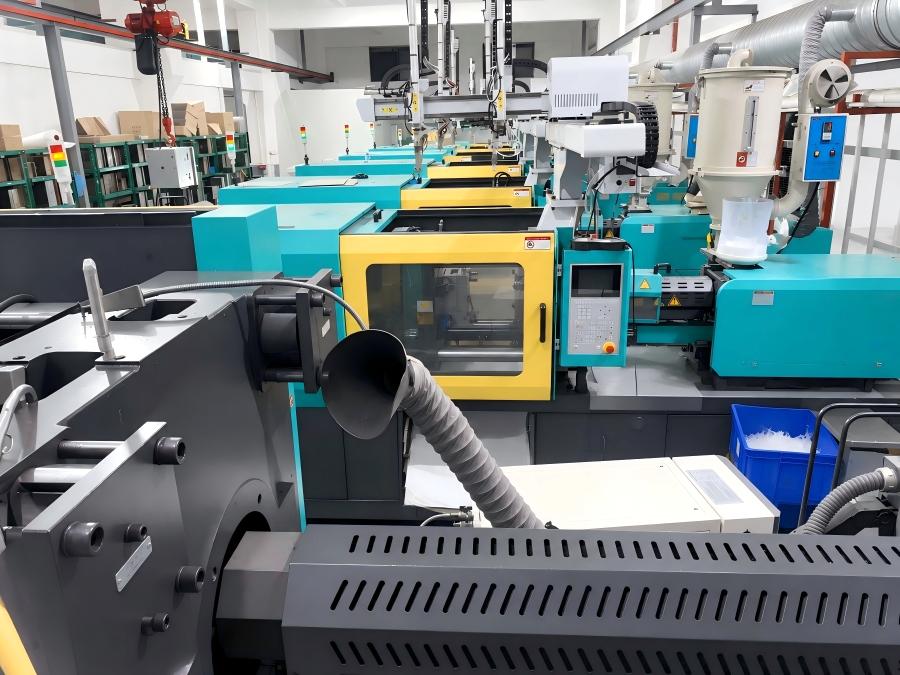
Rapid Injection Molding Services
Custom Rapid Tooling for Prototypes & Bridge Production
Get molded parts in your specified thermoplastic for functional prototypes, pilot builds, and bridge production. At KTM in Dongguan, engineers review gates, draft, shrinkage, and critical dimensions before machining. Trial parts are then checked against your drawing so you can assess fit and function before investing in a long-run production mold.
Simple molds: manufacture and T1 in as little as 15 working days. Your quotation confirms the schedule and start conditions. Sample revisions, batch production, and shipping are separate.
What Is Rapid Injection Molding?
Rapid injection molding uses tooling developed for shorter build schedules to produce parts in the specified thermoplastic. Aluminum or suitable steel tooling can support functional prototypes and limited production runs. The tool design depends on part geometry, resin, surface finish, and expected demand; a simpler tool must still fill, cool, and eject the part reliably.
Before machining, KTM checks four areas that affect part quality, tooling cost, and your first production run:
Control fit and shrinkage
Identify mating surfaces and inspection datums on your drawing. KTM checks wall transitions and resin shrinkage before machining, then measures trial parts to determine where the tool or molding process needs adjustment.
Resolve gates and undercuts
Gate placement affects visible marks, weld lines, and filling. Undercuts may require slides or inserts. DFM addresses these features before machining so the quotation accounts for the required mold construction.
Define the tooling scope
Specify cavity count, resin, surface finish, and trial quantity in the tooling scope. These inputs make quotations easier to compare and establish what must be reassessed if the part design changes.
Match the first production run
Share both the first batch quantity and expected repeat demand. KTM uses these requirements to assess tool material, wear, and maintenance, including whether the mold will support orders after the initial validation run.
Mark critical fits and cosmetic faces on the drawing so the tooling review focuses on the features you need to validate.
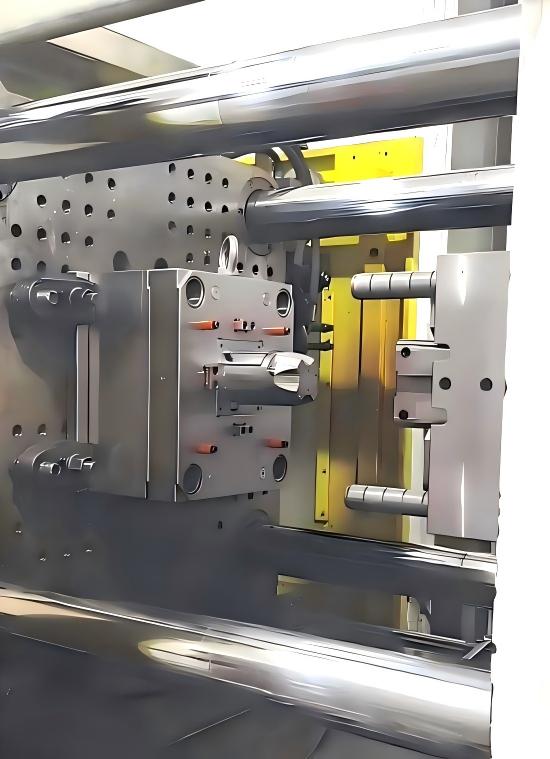
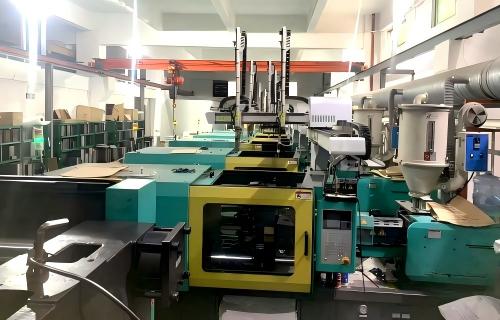
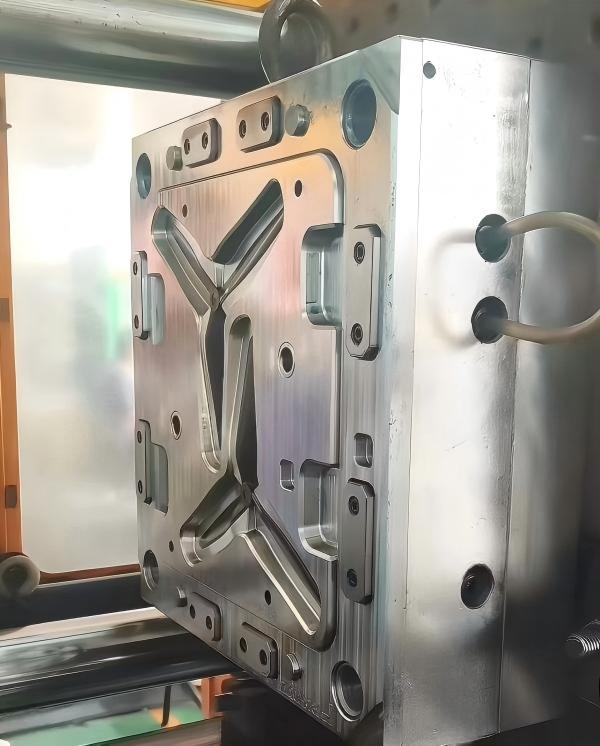
Rapid injection mold installed for a KTM trial
ABS Rapid Injection Molding with an S136 Steel Mold
This KTM factory video shows ABS parts molded with an S136 steel rapid mold and a mirror-polished cavity. For a high-gloss part, the required cavity finish can justify S136; the quotation must also account for its tooling cost and build time.
Watch on YouTubeRapid Tooling for Your Production Stage
Choose the mold around the next production milestone: functional testing, a bridge batch, or recurring low-volume injection molding.
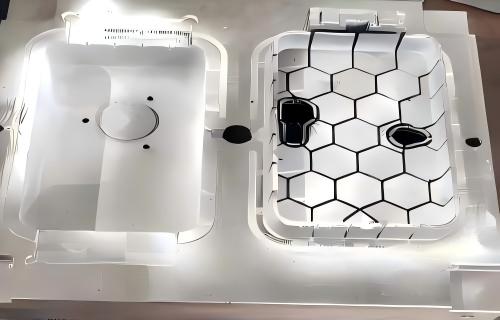
Functional prototype injection molding
Test assembly, snap fits, and function in the specified thermoplastic. Identify the features still under development before choosing the tool design. Trial results help determine which revisions are needed before the next batch or a longer-life production mold.
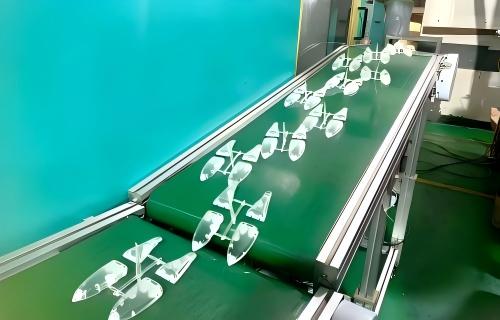
Bridge injection molding
Supply an agreed batch while your production mold or launch plan is being finalized. Provide resin grade, batch sizes, and delivery dates so KTM can assess capacity and expected tool wear across the bridge period.
Short-run injection molding
Plan for repeat orders as well as the first batch. Expected lifetime demand, cavity wear, spare inserts, storage, and repeat setup all affect the tooling choice. KTM assesses whether the rapid mold remains suitable as quantities change.
Rapid Tooling vs. Production Tooling
Choose tooling around resin, geometry, expected shots, and the cost of a late change. Aluminum, pre-hardened steel, and hardened steel each have uses; the material alone does not define whether a tool is rapid or suitable for production.
| Decision | Rapid Tooling | Longer-life production tooling |
|---|---|---|
| Material selection | Aluminum or steel selected for the part and planned use | Steel and treatment selected for wear, corrosion and required life |
| Build schedule | Simplified construction where geometry allows; confirmed after review | More time may be needed for tooling complexity, heat treatment and validation |
| Up-front investment | May reduce initial investment through simpler tooling | Investment supports expected life, output and maintainability |
| Tool life | Estimate against resin, pressure, geometry and maintenance | Specify a life target and conditions in the tool scope |
| Typical purpose | Prototypes, pilot builds, bridge and limited runs | Stable designs with sustained repeat demand |
| Design revisions | Assess remaining steel, affected features and the next trial | Review the same factors; replacement inserts or new tooling may be needed |
| Mold construction | Direct-machined cavities or inserts, as the project requires | Inserts and other construction choices follow production and maintenance needs |
When rapid tooling fits
Your geometry is sufficiently defined for molding, you need parts in the specified resin, and the planned quantity supports the tooling investment. Identify which features still need validation so the tool design and sampling plan account for likely changes.
When a different tool fits
Abrasive fillers, high processing temperatures, difficult finishes, or sustained production may justify different steel, hardened wear areas, or a longer-life mold. Review these conditions before choosing a rapid option; the shortest initial build is not always the best project schedule.
Aluminum, steel and bridge tooling
Aluminum tooling can suit selected prototype and limited-run projects. Steel options address different wear, finish, and production requirements. Bridge tooling describes the mold's role between development and sustained production; it does not specify a single mold material or guaranteed shot count.
From CAD Review to Rapid Mold Trials
Move from an agreed part revision to a machined mold, T1 samples, and a production decision. Each stage has a specific engineering task.
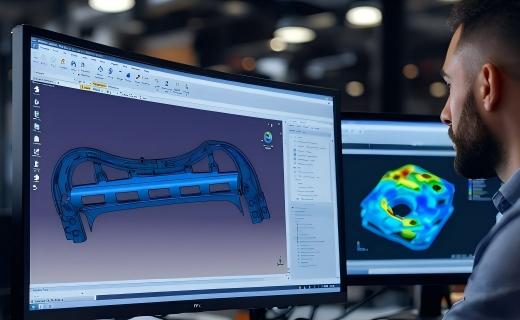
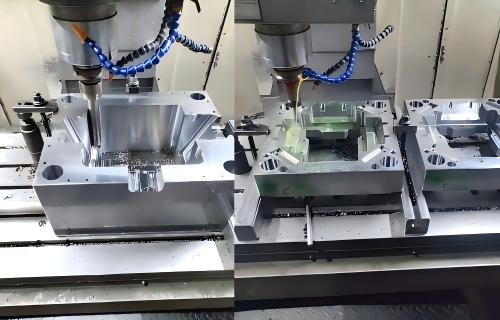
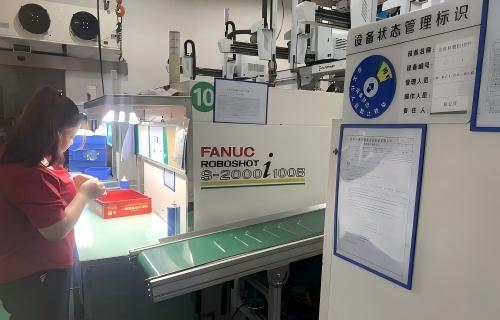
Agree the inspection scope at quotation, then link trial records to the relevant drawing revision and sample.
Engineering Records for Your Rapid Tool
Specify the records you need at quotation. DFM comments, analysis, trial observations, and measurements should identify the drawing or tool revision they describe.
DFM review
Document proposed changes to draft, walls, gates, parting lines, and ejection. Include slides or inserts where needed, and record the approved part revision before machining begins.
Moldflow, where required
Investigate filling risks such as weld lines and air traps when the project requires simulation. Record the inputs and analysis scope, then compare the predictions with observations from the actual mold trial.
T1 trial results
Record filling, ejection, surface appearance, and the agreed dimensional checks from T1. List each required tool or process adjustment and the features to inspect at the next trial.
Dimensional inspection
Measure trial parts against your 2D drawing with calipers, micrometers, optical projectors, or other suitable tools. Link the results to the sample and drawing revision so deviations can be traced before production approval.
DFM, Moldflow and T1 records linked to your tool revision
Unsure whether your part suits rapid tooling? Send the drawing, resin grade, and required quantity for an engineering review.
Rapid Tool Trials & Production Follow-Through
KTM uses mold trials to identify filling, ejection, and dimensional issues. The next step follows the findings: adjust the process, correct the tool, or prepare the approved batch.
Review trial behavior
Inspect incomplete filling, gate marks, release behavior, and cosmetic surfaces. Compare the defect location with the part geometry and molding conditions before deciding whether to change the tool or the process.
Close sample issues
Track corrections against the current tool and drawing revision. Identify the features that need another measurement or trial so unresolved issues remain visible during sample approval.
Prepare repeat batches
Before a repeat run, check the stored mold, resin grade, approved sample, and inspection requirements. Reconfirm the process setup, especially when production resumes after storage or order quantities change.
KTM's founder has more than 20 years of mold engineering experience. An English-speaking project engineer coordinates your drawing revisions and trial findings, using video reviews to work through technical questions across time zones.
Rapid Injection Molding Case Studies
These KTM projects cover three tooling decisions: gate and runner changes for thin ABS parts, wall-section changes for a PC/ABS housing, and wear protection for glass-filled PA6.
Hard plastic fishing lures
The thin clear ABS lure body was vulnerable to incomplete filling and visible flow defects. KTM repositioned the gate and balanced the runner during DFM, before machining the two-cavity 1.1730 mold. The first trial produced fully filled parts without visible weld lines. Dimensions were also checked against the customer's 2D drawing for sample review.
POS terminal housing
The previous housing did not match the assembly drawing. Moldflow analysis identified sink risks at two bosses, so KTM cored out the thick sections before machining the single-cavity P20 tool. The PC/ABS T1 housing achieved the required assembly fit, with dimensions checked against the customer's 2D drawing.
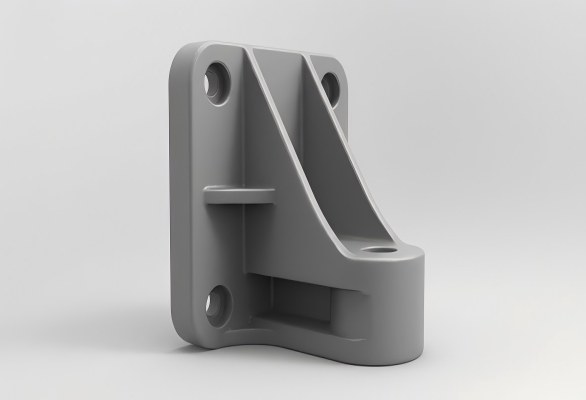
Industrial bracket
Glass-filled PA6 raised wear and warpage concerns in this aluminum bracket mold. KTM used hardened gate inserts and a balanced cooling layout to address those risks. During the run, molded-part dimensions were checked against the customer's 2D drawing. The tooling choice was specific to this project and its production requirements.
The results above describe individual projects. Your quotation defines the applicable tool material, planned quantity, inspection requirements, and schedule.
Planning a prototype or bridge run? Share your part, resin, and batch quantity to discuss a suitable rapid mold.
Plan Your Rapid Tooling Project in China
Set the commercial terms alongside the mold specification so sample approval, design changes, and delivery have clear responsibilities.
Tooling scope
List cavities, resin, finish, trial quantity, and inspection in the quotation. Identify included revisions and how additional work will be priced before the mold build starts.
Delivery planning
Set separate dates for tool completion, sample approval, production, and shipping. Confirm packing and transport responsibilities when planning the arrival date at your facility.
Confidential files
Agree confidentiality requirements before sharing sensitive CAD files. Specify who may receive drawings and what requirements apply when supporting suppliers need access.
Mold ownership
Record mold ownership, storage, maintenance, and transfer terms in the quotation. For a mold that will run elsewhere, provide the receiving machine's interface requirements before tool design.
Design changes
Use a drawing revision number for every approval. Assess each requested change for tool rework, another trial, cost, and schedule before machining the revised design.
Acceptance criteria
Define critical dimensions, cosmetic limits, sample quantity, and required inspection records. Use these criteria to approve trial parts and close issues before production.
Include these requirements with your CAD files so the quotation covers both the mold and the route to approved parts.
Rapid Injection Molding FAQ
For simple part geometries, KTM can complete mold manufacture and the first T1 trial in as little as 15 working days. We confirm the schedule and start conditions in the quotation. Undercuts, additional cavities, finish, and resin requirements can add time. Sample approval, revisions, batch production, and shipping are separate milestones.
Part size, complexity, mold material, cavity count, surface finish, resin, and quantity affect the price. A simpler tool can reduce initial investment where the design allows it. Share the drawing and quantities so tooling, sampling, production, and delivery scope can be defined rather than compared as one unexplained total.
There is no fixed MOQ. Share the quantity needed for testing and your expected repeat demand so we can review tooling and setup costs against the batch size. A small order still needs a suitable mold, resin preparation, and sampling; the quotation confirms the quantity and included trial parts for your project.
The choice depends on resin grade, fillers, part geometry, finish, expected shots, and the production plan. Aluminum may suit selected prototypes and limited runs; steel or hardened wear areas may be appropriate for other requirements. Confirm an expected tool life and its operating conditions for the proposed mold instead of assuming a universal shot count.
Send the exact resin grade and a drawing identifying critical dimensions and datums. Shrinkage, geometry, and molding conditions influence what can be achieved. We review tolerances and measurement methods before sampling; a quoted capability for one feature should not be applied automatically to the entire part or every material.
Some changes can be made by machining or replacing inserts; others require more extensive rework or new tooling. The affected geometry and remaining material determine the options. Identify likely revisions before the build, then review the cost, schedule, and validation needed for any change after T1.
Repeat orders depend on tool condition, resin availability, and the remaining planned tool life. Agree storage and maintenance terms at quotation. If future transfer is required, confirm ownership, release terms, and compatibility with the receiving machine before design approval; a mold built for one installation may need adaptation.
Send a 3D CAD model, a PDF drawing with critical dimensions, resin grade, initial and expected repeat quantities, finish requirements, and target date. Put STEP files in a ZIP archive for the existing upload field. State whether you need a mold for export or parts molded at KTM; flag any confidentiality requirement before sharing sensitive files.
Get a Rapid Tooling Plan for Your Part
Send your part details for a free initial DFM review. Our engineers assess the tooling approach, molding risks, and trial schedule for your prototype or bridge run.
- 3D CAD in a ZIP archive and a PDF drawing with critical dimensions.
- Resin grade, finish, and cosmetic or assembly requirements.
- Initial quantity, expected repeat orders, and required delivery date.
- An export mold or molded parts produced at KTM.
Not sure which resin or cavity count to choose? Describe how the part will be used and the quantity you need; our engineers can discuss the tooling options with you.