Low Volume Injection Molding for 5,000–100,000 Parts
Need more than a prototype run, but unsure which mold can carry the full project? KTM reviews your CAD model, resin, critical dimensions and total expected quantity before recommending a tool. Our mold shop builds it and our molding floor runs the parts, so the same team can act on trial findings and repeat-order issues.
5,000–100,000 finished parts per design across the total project, including repeat batches
Aluminum, 1.1730, P20 or targeted wear inserts assessed against your resin and geometry
Every project receives DFM feedback on proposed gate and ejection positions before tooling
Critical dimensions checked to the drawing with the method your part requires
Mold design and molding under one roof | FANUC CNC and Sodick EDM | Project DFM and drawing-based dimensional checks
Send Your Drawing
Upload your 3D file and our engineers will review it within 24 hours.
What Counts as Low Volume Injection Molding at KTM?
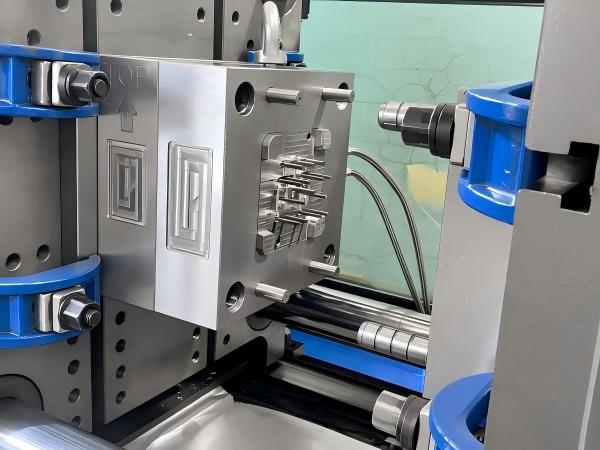
For one part design, KTM typically treats 5,000–100,000 finished parts across the entire project as low-volume injection molding. This describes project quantity, not mold life. We select a tool from the resin, geometry, quality requirements, expected molding cycles and release schedule.
A four-cavity tool producing 80,000 accepted parts needs about 20,000 production cycles before trials, scrap and spares. Your DFM reviews gate location, ejection, cavity count and wear areas before tooling begins.
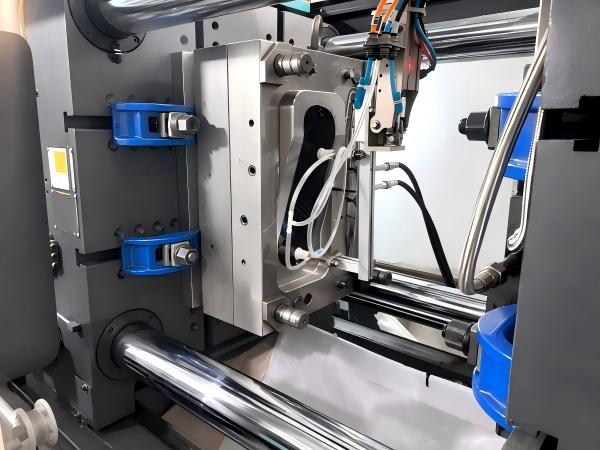
Control Cost Across the Full Project
The lowest first-tool quote is not always the lowest total cost. We compare cavity count, cycle time and planned batch sizes before recommending a tool for the whole program.
-
Spread tooling cost over the expected number of accepted parts.
-
Size cavities for delivery demand without unnecessary tool complexity.
-
Include setup, inspection and maintenance in repeat-batch planning.
Keep Repeat Batches Consistent
Several small releases can put more demands on a mold than a single continuous run. The approved resin grade, part revision and trial findings need to be available at each restart.
We review gates, shutoffs and moving faces for wear, especially with glass-filled grades. Critical dimensions are checked against the customer drawing using a suitable measurement method.
If requirements or quantities change, the tool is reassessed before the next batch rather than assumed fit for every future order.
Aluminum vs. Steel Tooling for Low-Volume Injection Molding
The best tool depends on your total project quantity, resin, part geometry and critical features. Aluminum, 1.1730 and P20 have different strengths. KTM compares the finished tool and expected production cost rather than deciding from the raw metal price alone.
See a KTM PP Connector Mold in Action
This KTM factory video shows a PP connector mold and a fit check. The footage illustrates mold trial work; the tooling comparison below explains how we choose cavity materials for a specific project.
Watch on YouTube| Decision factor | Aluminum | 1.1730 / C45U | P20 / 1.2311 |
|---|---|---|---|
| Possible fit | Simple geometry and lower cycle demand | Selected simple, lower-wear tools | Repeat batches and more demanding geometry |
| Tool build | Fast machining; fixturing must be planned | Machinable unhardened steel | Prehardened tool steel; inserts can address wear |
| Heat management | Good heat transfer; cooling still needs design | Cooling channels sized to the part | Cooling and process window reviewed by resin |
| Wear areas | Gate and parting-line wear need close review | Assess gate and shutoff wear | Local hardened inserts can protect wear zones |
| Complex features | Check slides, lifters and finish limits | Depends on cavity and action design | May suit repeatable actions and fine features |
| Resin review | Confirm grade, filler and temperature | Confirm grade, filler and temperature | Confirm grade; consider wear inserts for filled resin |
| Life estimate | Quote against expected molding cycles | Quote against expected molding cycles | Quote against expected molding cycles |
1.1730 is an unhardened C45U steel; P20 / 1.2311 is a different, prehardened grade. Neither a fixed parts-per-tool number nor the price of raw stock can determine your best option. We estimate the required molding cycles from accepted parts and cavities, then review resin wear, geometry, finish and maintenance.
When an Aluminum Mold Can Fit
Aluminum can suit a simple, compatible part when the planned cycles and surface requirements support it. The DFM still checks:
-
Gate and parting-line wear over the project quantity.
-
Side actions, thin walls and shutoffs that require support.
-
Resin grade, filler, mold temperature and finish.
-
Whether repeat releases justify a more durable cavity.
A project near 100,000 parts needs a tool-life and maintenance assessment; aluminum is never assigned by quantity alone.
When Steel or Wear Inserts Earn Their Cost
P20 can support repeat batches and more demanding features than a simple aluminum tool. 1.1730 may suit selected lower-wear work, but it is not another name for P20.
Glass-filled resin, moving faces and critical mating dimensions can justify harder cavity material or targeted inserts at gates and shutoffs. We specify those features after reviewing the drawing and resin grade.
The decision compares initial build cost with maintenance, rejected parts and potential replacement over the planned project.
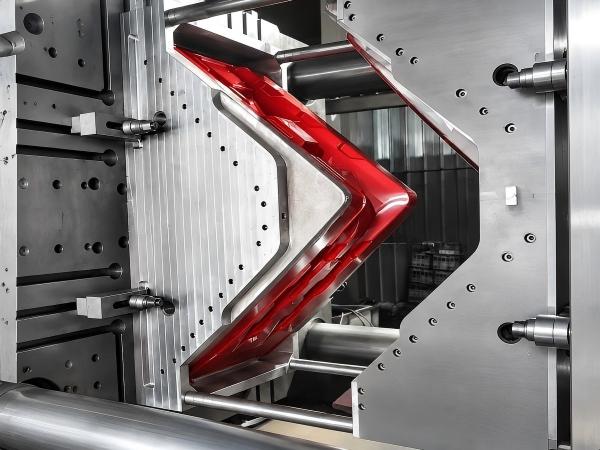
How We Specify a Mold for 5,000–100,000 Parts
Send the CAD model, resin grade, approved drawing, total project quantity and likely batch releases. Our project DFM identifies proposed gate and ejection positions, cavity count, cooling needs and features that could wear or distort before we quote the tooling route.
Simple ABS, PP or PC part; fewer planned cycles and limited side actions
Assess aluminum after DFM and wear review
Repeat orders with moderate wear and controlled mating dimensions
Assess P20 and the required cavity count
PA66 with glass fill or other abrasive grades; concentrated wear zones
Assess P20 with targeted hardened inserts or another cavity grade
Project quantity may grow beyond the original plan
Record validated geometry and review the next tool separately
Resin sets the wear review
Filler, processing temperature and shrinkage affect gate, cavity and cooling decisions. We review the specified grade and protect local wear points where needed.
Project total sets cycle demand
Accepted parts divided by cavities gives a starting cycle count. We add trial shots, expected rejects, spares and future releases before setting the tool scope.
Geometry sets tool complexity
Slides, lifters, inserts and thin walls affect steel choice and inspection. Critical dimensions are agreed from the 2D drawing and measured with suitable equipment.
The tooling proposal states its resin, cavity count, intended project volume and inspection assumptions. This makes the mold recommendation useful for the whole program, not just the first order.
Send your drawing and total quantity. We provide DFM feedback on gate and ejection locations before tooling starts, then reply to your inquiry within 24 hours.
Get a Tooling Recommendation for My PartNext, see how the tool is built, trialed and used for repeat batches at KTM.
How KTM Builds and Runs Low-Volume Molding Projects
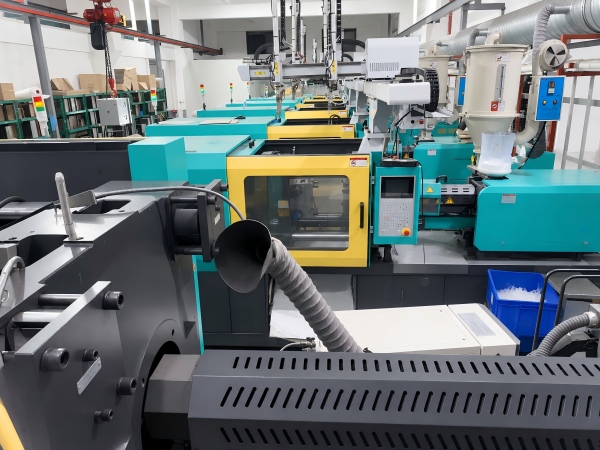
Our mold shop and molding floor work from the same approved part revision. A gate or cooling change found at T1 can be traced through tool adjustment and the next production batch by the same team.
Before tooling: DFM identifies gate, ejection, cavity count and critical features for approval.
At first trial: sample parts are checked against the agreed drawing and findings are recorded.
For repeat orders: the approved revision, resin and tool condition are reviewed before release.
Tooling Matched to the Run
-
Compare aluminum, 1.1730 and P20 against the specified resin and expected cycles.
-
Set cavity count from the project total and release schedule.
-
Review gate, cooling, shutoffs and wear zones during DFM.
-
Document assumptions that could require maintenance or a new tool.
Repeat-Batch Molding
-
Approve first articles against the drawing before the planned release.
-
Keep resin grade, part revision and trial findings linked to repeat batches.
-
Review insert placement and fit for insert-molded parts when specified.
-
Check critical dimensions with methods suited to their requirements.
Factory and Inspection Capability
-
FANUC CNC and Sodick EDM support cavity and insert machining.
-
The molding floor selects a press for part size and projected area.
-
Trial findings flow back to the same toolmaking and molding team.
-
Dimensional inspection follows agreed drawing features; CMM is used when required.
Prototype methods can help validate geometry before this stage. For a 5,000–100,000-part program, the central decision is a mold and process that suit the full project and its repeat releases.
Low-Volume Injection Molding Case Studies
Three real KTM projects show how resin, total quantity and the next production stage changed the tooling decision. Customer details are summarized to protect project confidentiality.
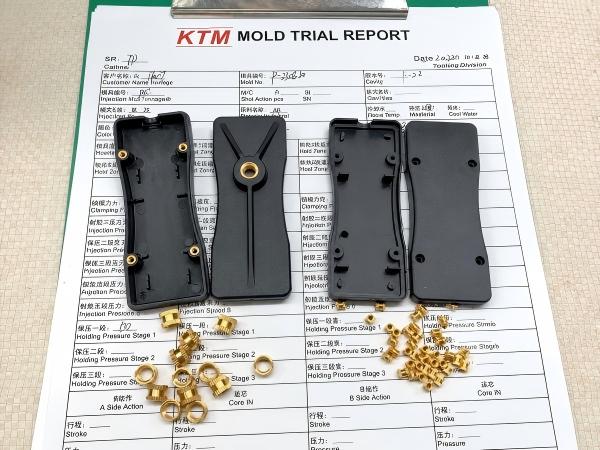
5,000 ABS Housings with Brass Inserts
US consumer electronics customer
5,000 finished parts
ABS
Thin-wall housing and a launch window for market validation
Single-cavity steel-based mold; cooling tuned for the specified ABS grade and part geometry
First articles were produced in weeks, and the 5,000-part validation run finished without a second tool.
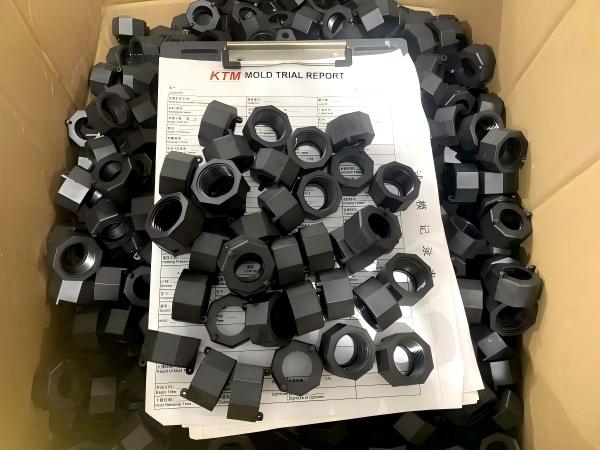
20,000 PA66 + 10% GF Parts on a P20 Mold
German machinery supplier
20,000 finished parts
PA66 + 10% GF
Glass fill increased wear risk at the gate and moving faces.
P20 mold body with S136 inserts at the gate and wear zones; mold temperature set for the part requirements
Dimensional checks were recorded against the customer drawing during the run.
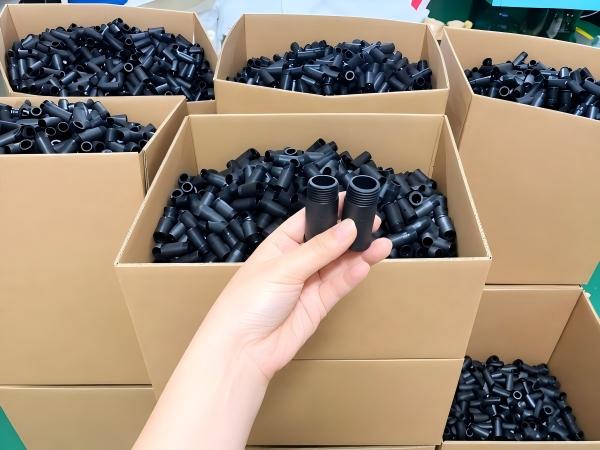
From a 2,000-Part Pilot to Production Tooling
EU industrial equipment manufacturer
2,000-part pilot, then more than 100,000 parts
ABS
Validate the design before committing to the higher-volume program.
A pilot tool made the first parts; the later production mold reused validated cavity inserts.
The project carried approved geometry and reusable inserts into the next tool. The 2,000-part pilot sits below KTM’s low-volume production range.
These projects lead to a practical quoting question: what tool and batch plan fit your resin, geometry and total quantity?
What Drives Low-Volume Injection Molding Cost?
We quote the mold and molded parts separately. For 5,000–100,000 parts, compare total program cost across the expected releases, not only the first batch’s unit price. A more durable tool may cost more initially but reduce maintenance or part cost over repeat orders.
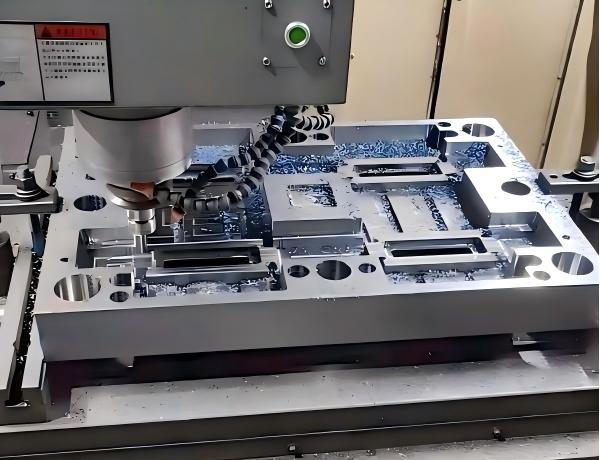
What Drives Tooling Cost
-
Cavity material and any local hardened wear inserts
-
Cavity count, slides, lifters, shutoffs and ejector layout
-
Part size, gate, cooling and machining complexity
-
Critical dimensions, surface finish and trial requirements
What Drives the Per-Part Price
-
Specified resin grade, filler and part weight
-
Cycle time, press size and expected batch quantity
-
Insert placement, overmolding or secondary operations
-
Agreed dimensional checks, packaging and repeat setups
A useful quote states its assumptions: approved drawing revision, resin, cavity count, project total, batch releases and inspection scope. We provide project DFM to identify gate and ejection locations before the tooling route is agreed. A change in drawing, material or order scope may require a revised quote.
Send your CAD model, 2D drawing, resin grade and total project quantity. A KTM engineer will reply within 24 hours and explain the next steps for an itemized tooling and parts quotation.
Request an Itemized Tooling and Part QuoteThe factory behind the quote also matters. Here is how KTM reviews the drawing, trial results and repeat orders.
Why Choose KTM for Low-Volume Moldmaking and Molding?
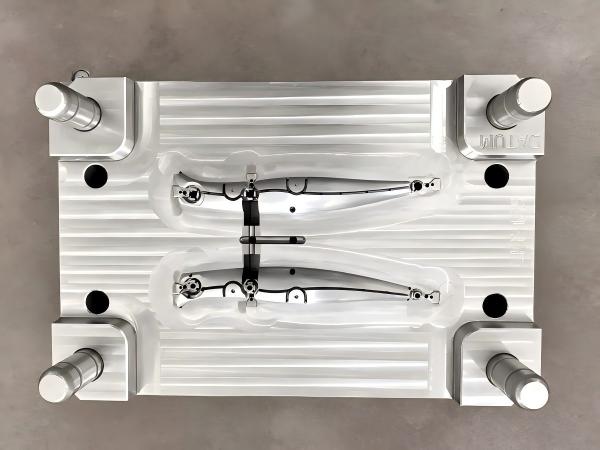
KTM’s stated mold shop and molding floor work on the same approved part revision. This connects the DFM decision to tool machining, first shots and later batches. If a molded feature needs adjustment, the team can trace it to cavity geometry, gate, cooling or process settings.
Engineering DFM Before Tooling
Every project receives DFM feedback before tooling. We identify proposed gate and ejection positions, review draft and wall transitions, and flag the features that affect a 5,000–100,000-part program. These decisions are discussed with the customer before the tool is cut.
In-House Mold Work
FANUC CNC and Sodick EDM support cavity and insert work. Keeping tool adjustments near the molding floor lets the team test a correction at the press and document the approved change before production resumes.
Trial and Dimensional Checks
First articles are checked against the dimensions and visual criteria agreed on the customer drawing. The measurement method follows the part’s actual requirements; CMM inspection is used when the dimensions call for it, rather than promised for every project.
Continuity Across Batches
For repeat releases, the approved resin, part revision and trial findings are kept together. Before another batch, KTM reviews tool condition and the planned quantity. If demand changes, the mold is reassessed against quality and delivery requirements.
A mold recommendation is useful when the reasoning is visible. KTM’s DFM explains where the part will be gated and ejected, what features need attention and how the proposed tool fits the project quantity.
The trial, dimensional checks and approved changes then become a record for the next batch. That continuity matters when an order is repeated months after the first shipment.
If Your Low-Volume Project Grows
A tool specified for a 20,000-part project should be reviewed before demand grows far beyond that scope. During low-volume DFM, we can identify geometry, resin choice and inspection criteria worth carrying into the next stage.
A physical insert can be reused only when its condition and the new mold layout allow it. The approved CAD and trial findings remain useful even when a new production mold is required.
Preserve the approved CAD version, resin grade, critical dimensions and trial findings.
Check cavity count, wear history and cycle time before increasing production demand.
Assess physical insert reuse against the next mold layout; do not assume every insert transfers.
When your project quantity changes, KTM reviews the current tool’s condition and the updated release plan. The options may be maintenance, a tool modification or a new mold, depending on the resin, cavities and approved part specification.
For a comparison of project volume categories and other molding services, see our custom injection molding overview.
Questions about your own tool, lead time or batch schedule? The answers below explain what to provide for review.
Frequently Asked Questions
For one part design, our typical low-volume range is 5,000–100,000 finished parts across the entire project. Tell us the total quantity and expected releases per batch. A smaller pilot can be reviewed separately; the tool is planned against the full program.
Often, yes. Share the likely batch size and release interval so tooling, setup and maintenance are considered in the quote. The resin grade, part revision and acceptance criteria should stay clear between batches.
We review resin and filler, planned molding cycles, surface finish, side actions, critical dimensions and batch schedule. 1.1730 and P20 are different steels. Local hardened inserts may be appropriate where wear is concentrated.
Every project receives DFM feedback before tooling. It addresses proposed gate and ejection positions and reviews draft, walls, parting lines and other moldability concerns relevant to the drawing. The detailed scope follows the part geometry.
Tool complexity, steel, finish and the number of trials affect lead time. We reply to the inquiry within 24 hours and give a project schedule after reviewing the drawing. The schedule separates tool completion, first articles, approval, batch production and shipping.
We assess the exact resin grade and datasheet. Fillers and processing temperature affect gate wear, cavity material, drying and mold-temperature control. Send the grade with your CAD model so we can confirm tooling and press suitability.
Tolerance depends on part size, geometry, resin shrinkage and datum scheme. We review critical dimensions on the 2D drawing, then select suitable measuring equipment. CMM is used when the part requirements call for it; it is not a standard deliverable for every order.
The quote separates mold cost and molded-part cost. Cavity material and count, side actions, resin, cycle time, batch size and inspection scope all matter. Include the total project quantity and likely releases so the comparison covers more than the first batch.
We review tool condition, expected cycles, cavity count and the new delivery schedule. Some features or inserts may be reusable; another project may need a new tool. The approved CAD, resin and trial findings can still guide the next build.
Have a drawing and a project quantity in mind? Send them for an engineering review.
Get a Tooling Plan for Your Low-Volume Project
Share your 3D CAD model, 2D drawing, resin grade, total project quantity, likely batch releases and critical dimensions. A KTM engineer will reply within 24 hours. Every project receives DFM feedback on proposed gate and ejection positions before tooling; dimensional checks are planned around the part drawing. Request an NDA before sending files if needed.
Project Inquiry Form
Thank you
Your inquiry has been submitted. A KTM engineer will reply within 24 hours.