Prototype Injection Molding for Plastic Part Validation
Test your design in the specified resin before committing to production tooling.
Planning 1,000–50,000 molded parts?
Get My Prototype Mold RecommendationSend your part drawing, resin grade, and sample quantity for a preliminary DFM review.
KTM designs and builds custom prototype molds to test assembly fit, critical dimensions, molded material behavior and features likely to change. We review the specified resin, validation samples, gate and ejection plan, and planned follow-on quantity before choosing the tool material and cavity layout. Trial findings can then inform the production mold, with KTM supporting both stages in one factory.
KTM can scope a prototype-to-bridge tool around your resin, geometry, cavity count and required output. Tool capacity is confirmed for each project; first-trial samples and the follow-on run are separate milestones.
First samples in as little as 15 working days after DFM and mold design approval. Timing depends on the part and tooling scope.
What Should Prototype Injection Molding Validate?
Prototype injection molding uses a purpose-built mold and the specified resin to answer a defined product question before production tooling is approved. For a housing, the question may be mating-face fit and screw-boss alignment; for a latch, engagement and release after molding. Agree the critical features, datum references and acceptance method before cutting the cavity, so the first samples lead to a decision rather than another round of guesswork.
Prototype injection molding also reveals how the design responds to filling, packing, cooling, and ejection. Inspect the features that matter to your assembly alongside visible sink, flash, weld lines, or distortion. If the part uses a filled resin, its grade and conditioning requirements belong in the test plan.
KTM uses this review to define the prototype tooling scope: the samples required, dimensions to inspect, surfaces to protect, and features that may need revision. The result is a testable mold brief that connects your CAD model to a production decision.
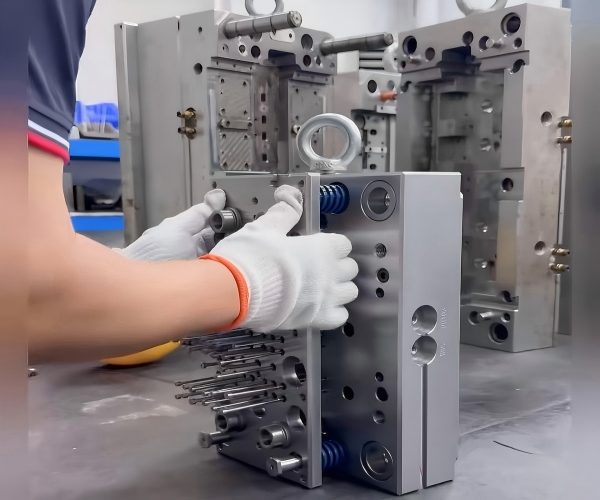
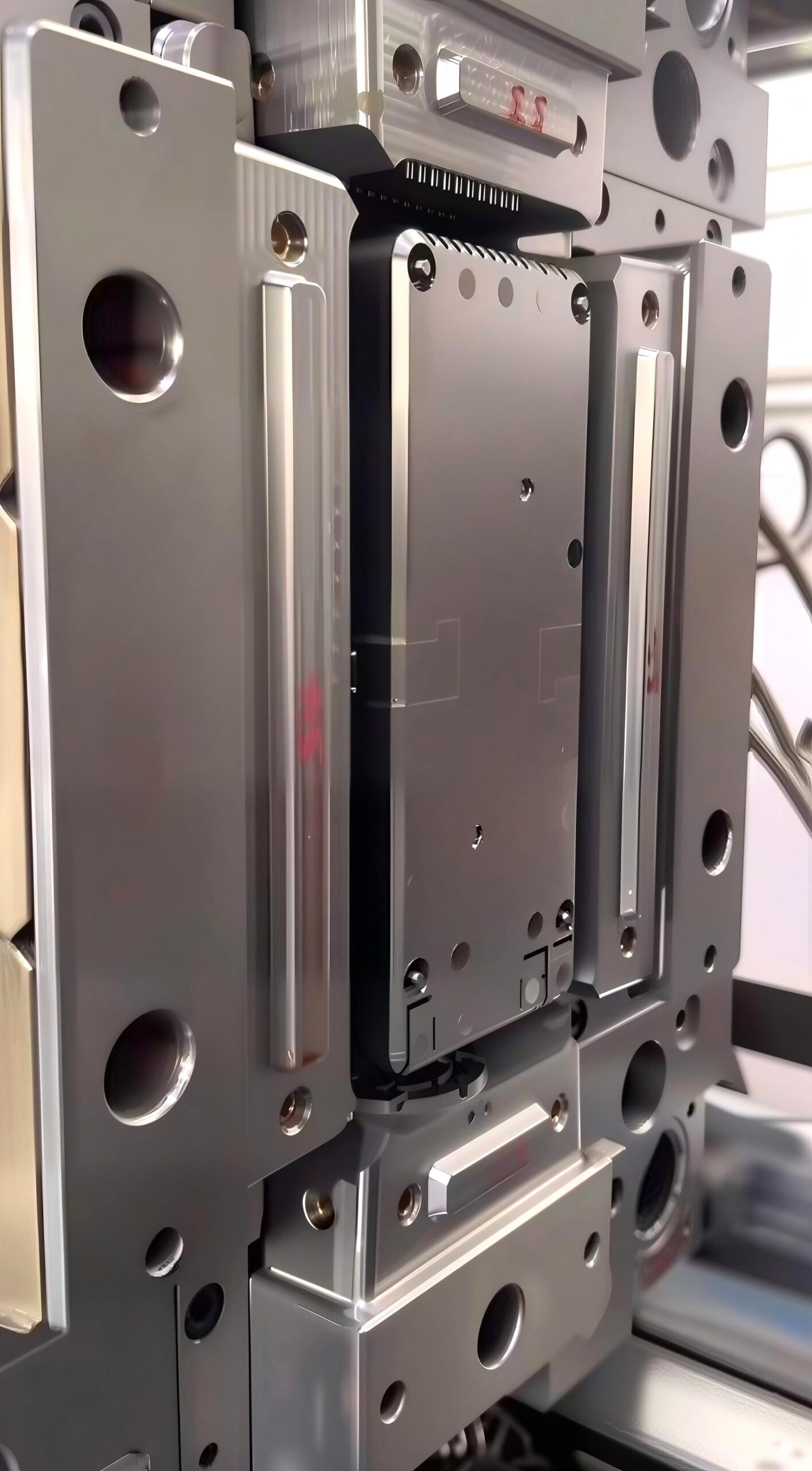
Two different parts in one three-plate family mold. Tooling suitability depends on the resin, part geometry, and required quantity ratio.
Open on YouTubeA 1+1 Family Mold for Two Different Prototype Parts
For a project with two different parts, a family prototype mold can combine one cavity for each part in a single tool. The KTM video shows a 1+1 family mold with a three-plate structure. This approach can reduce duplicated mold-base and tooling work compared with building two separate molds.
The three-plate layout provides a separate runner parting plane and can support pinpoint gates away from the main parting line. It also adds mold components and opening movement, so the complete tool must be evaluated against a simpler layout. The savings come from a suitable shared-tool arrangement, not from the plate count alone.
Before recommending family tooling, we review whether the two parts can use the same resin and molding conditions, whether their filling and cooling requirements are compatible, and whether you need them in a 1:1 quantity ratio. Different cavity volumes or wall sections can complicate filling balance. Separate molds may be more practical when the parts need different materials or independent production quantities.
For prototype work, define the acceptance criteria for each part separately, including the features where they assemble together. This gives the shared tool a clear validation purpose while keeping the tooling investment tied to the samples you actually need.
Avoid Costly Revisions to Your Prototype Mold
Prototype tooling is easier to plan when the uncertain features are identified early. KTM reviews three sources of rework before finalizing the mold design.
Resin and Shrinkage
Confirm the exact resin grade before cutting the cavity. A change in filler content, shrinkage behavior, or conditioning can alter assembly dimensions. Prototype samples should be evaluated in the material and condition relevant to their intended test.
Features Likely to Change
Mark the ribs, bosses, shutoffs, and mating features that may need adjustment. Planned inserts or metal-safe allowances can simplify selected changes. A revision that requires adding tool material or relocating a feature needs a separate tooling review.
Gating and Part Release
Review gate position, weld-line sensitivity, draft, and ejection on the prototype design. A part that fills successfully can distort during release or show a gate mark on a functional surface. Define these acceptance limits before mold trials.
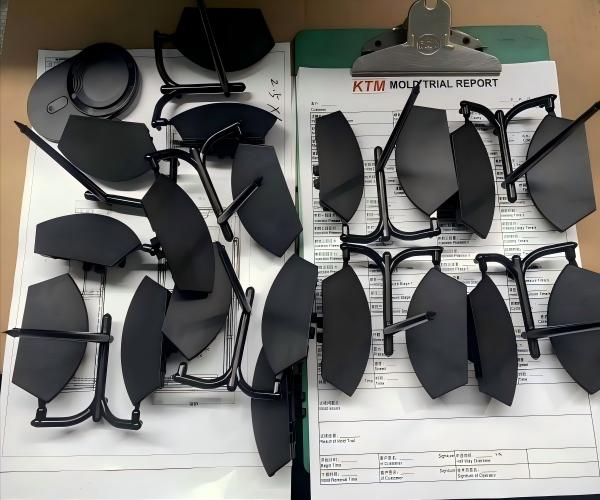
Tell us which features are still under development. We can assess how the prototype mold should accommodate those changes before you commit to the tool construction.
Prototype Mold vs. Production Mold: Choose Around the Test and Volume
A prototype mold is justified when molded samples can resolve a design or material question before a larger tooling commitment. If the design is already validated and the production requirements are clear, a separate prototype tool may add little value. Choose the route around the remaining risk and expected output.
| Factor | Prototype mold | Production mold |
|---|---|---|
| Primary objective | Resolve defined part and molding questions | Deliver repeatable parts at the required output |
| Cavity arrangement | Often single-cavity; a suitable family layout is also possible | Single, multi-cavity, or family layout selected for demand |
| Mold material | Aluminum or steel selected for resin, trials, and expected wear | Steel or other suitable construction selected for service requirements |
| Design revisions | Anticipated changes considered in the initial tool design | Changes assessed against the established tooling and process |
| Tool life | Agreed for the intended trials and sample runs | Specified for resin, cycle demands, maintenance, and planned volume |
| Cost and schedule | Driven by construction, geometry, and validation scope | Driven by capacity, durability, automation, and validation scope |
| Approval | Sample dimensions and agreed functional criteria | Production-tool trials and agreed part and process requirements |
KTM builds prototype and production molds, so the prototype review can account for the next stage. That includes features to retain, changes to evaluate, and production requirements the prototype tool is not intended to prove.
A planned output of 50,000 parts does not mean every cavity must survive 50,000 shots. KTM specifies the cavity count, estimated cycles, resin and inspection checkpoints for the intended run. If the design is already approved and repeatable output is the main goal, a dedicated injection mold may be the better route.
How KTM Builds Your Prototype Tooling
The prototype mold construction should match the resin, sample quantity, and changes still under consideration. KTM evaluates aluminum, 1.1730 steel, and P20 steel around these requirements. The material decision is separate from cavity layout: a suitable family arrangement may combine parts, while other projects need individual tools.
Aluminum Prototype Molds
Aluminum can shorten cavity machining for compatible resins and limited trial runs, but KTM does not treat it as the default prototype mold material. Lower wear resistance, damage risk at shutoffs, and workholding needs can offset the machining benefit. We compare aluminum with 1.1730 or P20 for the specified resin, cavity detail, required finish, planned shots, and likely revisions before recommending a tool for your project.
1.1730 Steel Prototype Molds
For suitable short-run test tools, KTM uses 1.1730 carbon steel and can machine the cavities directly into the mold plates. This construction can simplify tooling when the geometry and revision plan allow it. Resin abrasiveness, surface requirements, and the intended number of trials still need review. We assess the tool around the prototype scope rather than assign a fixed shot life to the steel grade alone.
P20 Steel Prototype Molds
P20 is a plastic-mold steel commonly supplied prehardened, allowing cavity machining in the specified working condition. KTM considers P20 for prototype tools requiring continued sample runs or a planned bridge batch. Resin wear, specified cavity finish requirements, and anticipated future design revisions guide the selection. The supplied grade and condition are confirmed for the tool; abrasive or corrosive materials may require another steel or additional protection.
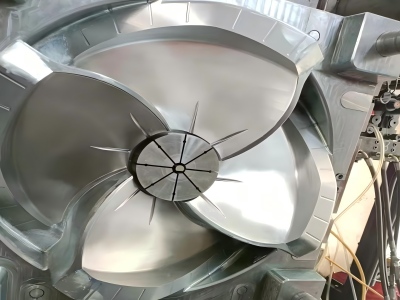
Not sure which prototype mold suits your part? Send your CAD, resin grade, and target sample quantity for a tooling recommendation.
Get My Tooling RecommendationSpecify the Resin Before We Design Your Prototype Mold
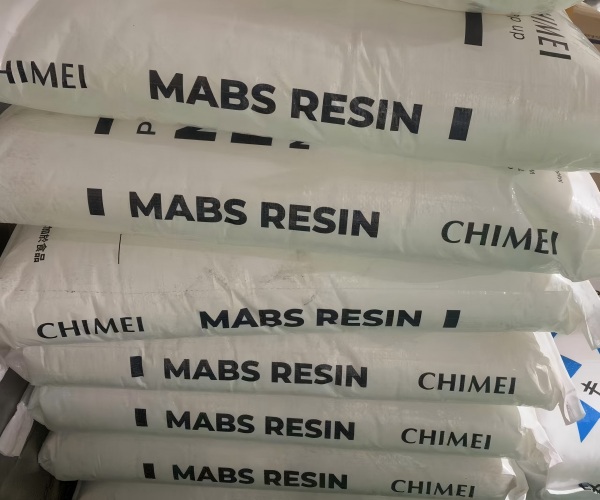
The resin specification affects cavity shrinkage allowance, gate design, cooling, and tool wear. For prototype plastic injection molding, send the grade you intend to test, including reinforcement, filler, color, and any conditioning requirement. Naming only the polymer family can leave important tooling decisions unresolved.
For glass-filled grades, fiber orientation can create directional shrinkage, so identify the dimensions the samples must prove. For PA6 or PA66, specify whether dimensional approval uses parts measured as molded or after defined moisture conditioning. These different test states can change the meaning of a cavity correction.
| Resin specification | What the prototype mold review should address |
|---|---|
| ABS | Grade-specific shrinkage, appearance surfaces, boss and rib geometry |
| PC | Grade, processing requirements, gate marks, and any optical acceptance criteria |
| PP | Grade and filler content, shrinkage, distortion, and flexible features |
| POM | Grade-specific shrinkage, dimensional fit, gate layout, and ejection |
| PA6 or PA66 | Reinforcement level, moisture conditioning, critical fits, and shrinkage behavior |
| Glass- or mineral-filled grades | Filler type and proportion, wear, flow direction, and dimensional sensitivity |
For prototype parts with molded-in metal inserts, provide the insert drawing and the intended assembly load or retention test. Insert positioning, support, and the surrounding plastic must be reviewed together. Insert molding is a tooling and process requirement, not a separate resin category.
If the material is not final, identify which properties the samples must demonstrate. KTM can then review the tooling implications before a resin change creates avoidable cavity rework.
How KTM Reviews a Prototype Injection Molding Project
KTM connects mold design, cavity machining and sample trials through its custom injection molding capability in one factory.
Before machining, KTM’s DFM review links gate and ejector positions, shutoffs, and critical dimensions to sample approval. Mark surfaces that must remain free of visible marks and features that may need metal-safe adjustment. At the mold trial, compare parts in the specified resin against those checkpoints before revising the prototype tool or defining production-mold requirements.
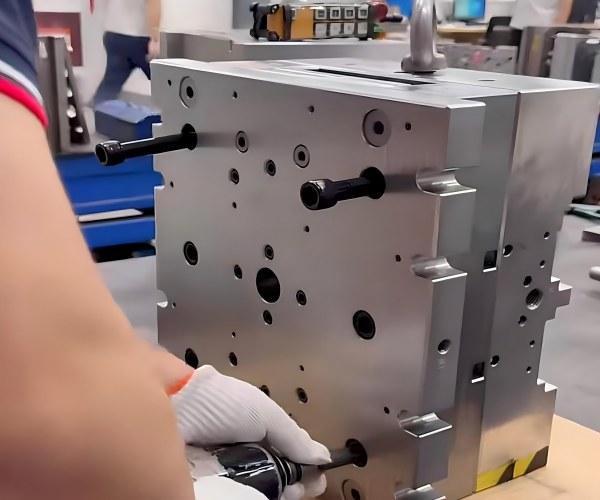
Mold Design Experience
KTM’s founder trained in mold design and manufacturing. For a prototype mold, that background connects part geometry with practical cavity construction, shutoffs, and ejection. Features expected to change are reviewed while the initial mold layout is still open, before machining fixes the tooling arrangement.
In-House Cavity Manufacturing
FANUC CNC machining and Sodick EDM support KTM’s cavity manufacturing. The machining route depends on the selected mold material, access to the cavity detail, and finish requirements. Keeping this work with the mold team helps connect a proposed prototype revision to its machining implications.
DFM and Trial Documentation
KTM reviews moldability before cavity machining and scopes Moldflow analysis where the project warrants it. Request the dimensional inspection, mold-trial information, and material documentation needed for sample approval. Agree the measurements and reporting scope in the quotation so the records answer your validation questions.
Continuity Into Production Tooling
KTM supports prototype and production molds in the same factory. The team can refer to the approved part revision and prototype trial findings when developing the next tool. Production cavity layout, runners, cooling, and output requirements are reviewed before a separate production approval process.
Prototype Injection Molding Cost and First-Sample Lead Time
The cost of a prototype mold depends on the questions it must answer and the construction required to produce usable samples. Compare the tooling price alongside resin, trials, molded sample quantities, inspection, and delivery so the quotation reflects the complete validation scope.
| Quotation input | Why it changes the prototype tooling scope |
|---|---|
| One part or a proposed family set | Determines whether cavities can share a tool and compatible process |
| Part size and geometry | Influences mold size, machining, undercuts, and moving components |
| Exact resin grade | Affects shrinkage allowance, processing needs, sourcing, and tool wear |
| Critical tolerances and surfaces | Defines inspection, cavity detail, polishing, and acceptance requirements |
| Samples and trial rounds | Sets material needs, sampling work, and the scope of planned iterations |
| Expected design changes | Determines whether inserts or revision allowances should be included |
If the design is already validated and the main need is a short production turnaround, review the rapid injection molding route separately from a validation tool. For an oversized housing or panel, the prototype quote must also account for press capacity, mold handling and warpage; our large-part injection molding capability explains that additional review.
Request a quotation that identifies tooling, sampling, and part costs, and states which inspections and revision rounds are included. Any subsequent design change needs a review of its effect on cost and schedule before machining proceeds.
First samples can be ready in as little as 15 working days after DFM and mold design approval. The confirmed schedule depends on part complexity, tool construction, resin availability, and the agreed sample scope. First trial samples, customer approval, and delivery are separate milestones; additional design changes can affect the schedule.
Send your required sample date with the CAD model and resin specification. KTM can review the tooling route against that requirement and confirm a project-specific quotation. There is no single price that applies to every prototype mold.
Use Prototype Mold Findings to Plan Production Tooling
Carry the approved CAD revision, resin specification, dimensional results, trial notes, and unresolved issues into the production-tool review. Keep a record of each prototype modification and the reason for it, particularly changes to fits, shutoffs, gates, or ejection features.
The handover should separate decisions supported by the prototype samples from requirements still to be validated. A larger cavity count, a new runner layout, different cooling, or a shorter production cycle can change part behavior. Those requirements belong in the production-tool brief and its own trial plan.
If the approved prototype tool will also supply a bridge batch, assess its condition, cavity count, expected cycles and wear against the additional parts before committing to the run. KTM can then scope low-volume injection molding with the agreed quality checks, or design a separate production tool when the required output, resin or process exceeds that tool's validated scope.
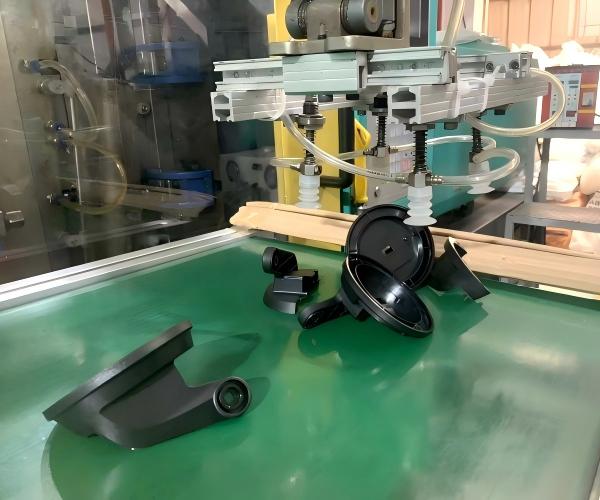
Prototype Mold Projects and Validation Outcomes
These KTM projects used prototype tooling to resolve part or assembly questions before the next manufacturing stage. The materials, tool arrangements, and outcomes below describe individual projects rather than a standard schedule for every mold.
| Project | Part and material | Prototype approach | Recorded outcome |
|---|---|---|---|
| Automotive | Ventilation-system component, PA6 + 10% glass fiber | Single-cavity soft-steel mold with a Moldflow check | 200 parts in 25 days; two metal-safe changes before moving to production tooling |
| Consumer electronics | Interior component, POM | Aluminum prototype mold with brass-nut insert molding | Assembly fit validated before moving to low-volume molding |
| Home appliances | Interior latch, PP | Prototype tooling with two trial rounds | Part structure confirmed through the two trial rounds |
| Marine / industrial | Enclosure, ABS | Prototype parts molded in the specified production resin | Function validated before release to production tooling |
For your project, agree the sample-review record before trials. Compare revisions using the specified resin grade, conditioning, and test method, and record changes to molding conditions. These details make the findings more useful when deciding whether to modify the prototype mold or proceed to production tooling.
Send the part, specified resin and acceptance target. KTM can review which prototype mold route and trial records your production decision needs.
Request My Prototype Mold ReviewPrototype Mold Questions Before You Request a Quote
It is useful when molded samples can resolve a material, dimensional, or assembly risk before you invest in production tooling. If those questions are already settled, a separate prototype mold may be unnecessary. Send the current design and the tests still outstanding so KTM can review the appropriate route.
The choice depends on the resin grade, sample quantity, part geometry, required finish, and expected revisions. KTM evaluates aluminum, 1.1730 carbon steel, and P20 mold steel for the prototype scope. The steel’s supplied condition and the resin’s wear demands matter; a material name alone does not establish tool life.
Yes, a suitable family mold can contain one cavity for each part. KTM’s video shows a 1+1 three-plate example. The parts must be assessed for compatible resin and molding conditions, filling and cooling requirements, and the quantity ratio you need. A shared tool is not automatically the lower-cost choice for every pair.
Some changes can be made by removing mold material or replacing a planned insert. Other changes require added material, structural modifications, or a new tool. Mark uncertain features before DFM so the likely revision path can be reviewed. Changes after approval are assessed for feasibility, cost, and timing.
Provide the exact grade, filler content, color requirement, and any conditioning instructions. KTM reviews material availability and tooling compatibility before confirming the sample scope. For glass-filled or other reinforced grades, the mold review also considers wear, flow direction, and dimensional behavior relevant to your tests.
Each prototype mold is quoted for its part size, structure, cavity arrangement, resin, finish, and sample requirements. First samples can be ready in as little as 15 working days after DFM and mold design approval. Confirm the project schedule separately, including any revisions and delivery requirements; the fastest sample lead time is not a universal delivery promise.
Provide the 2D drawing or identify the critical dimensions, datum references, mating parts, and acceptance criteria. Agree the required dimensional inspection, trial information, and material documentation in the quotation. Moldflow analysis is scoped where useful; it does not replace inspection or functional evaluation of molded samples.
KTM can scope projects in that planned part-quantity range, but no single mold material or cavity layout guarantees it. Parts and shots are different: a four-cavity mold can make four accepted parts per cycle, while wear and dimensional stability must still be assessed over the planned cycles. We confirm the resin, cavity count, tool construction, quality checks and agreed output for your part before committing to a bridge run.
Send the part model or available drawing, resin grade if known, sample quantity, and required sample date. Identify the features still under development and what the samples must prove. For a proposed family mold, include both parts and their required quantities so the shared-tool option can be assessed.
Define the test first; we will review the prototype tooling needed to support it.
Get a Prototype Injection Molding Plan for Your Part
Send the current part model, specified resin or material requirements, first-trial quantity and required sample date. If you plan a 1,000–50,000-part follow-on run, include that separately from the validation samples. KTM can then review cavity count, mold material, gate and ejection risks, and the dimensions that will determine whether the trial is accepted.
For two parts that may share a family mold, include both drawings and the quantity needed for each. Describe the current design stage and the test that will decide whether the prototype is accepted, such as assembly fit, insert retention, or latch operation.
Send these details with your enquiry:
This information lets KTM outline a preliminary DFM review, a suitable aluminum, 1.1730 or P20 tooling route where applicable, and the quotation scope for trials, sample inspection and any bridge batch. The mold material and cavity count are recommendations made after reviewing your part, not choices you need to make before enquiring.